Description:
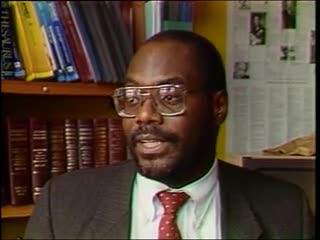
Carmen Fields reports that the infant mortality rate in Boston's African American community is three times the rate in white communities. Fields interviews Jeanne Taylor, PhD (Roxbury Comprehensive Health Center) and David Dolin (Executive Vice President, Beth Israel Hospital)) about the partnership between the two facilities and the rising infant mortality rate in Boston. Dolin says that the high infant mortality rate is a social problem involving health, education, housing, employment, and crime. He adds that advances must be made in all of those areas in order to combat the high infant mortality rate in Boston. Taylor talks about the role of community health centers and the benefits of relationships between community health centers and large hospitals. Taylor says that the infant mortality rate is only one indicator of distress in the African American community. Fields reports that the concept of linkage is being applied to health care through the partnerships between the large and small medical facilities. Fields's report includes footage of infants being cared for in the nursery of a health facility.
1:00:15: Visual: Footage of Jeanne Taylor, PhD (Roxbury Comprehensive Health Center) being interviewed by Carmen Fields. Taylor says that Roxbury Comprehensive Health Center has always been an independently licensed health center; that the health center is federally funded. Taylor says that Roxbury Comprehensive Health Center does not have a relationship with the city or the state. Taylor says that the health center has had informal relationships with hospitals in the past. Taylor says that hospitals provide a wealth of resources to health centers; that hospitals can provide specialists to health centers; that hospital residents can come to work in health centers. Fields reports that the infant mortality rate in Boston's African American community is three times the rate in white communities. Fields notes that the gap grew in 1989 and in 1990. Fields notes that the African American community is called a "death zone." V: Shots of an African American infant hooked up to breathing equipment; of a health care worker monitoring medical equipment in a hospital nursery; of a monitor on the medical equipment. Shot of the health care worker tending to an infant; of the infant hooked up to equipment. Footage of David Dolin (Executive Vice President, Beth Israel Hospital) being interviewed by Fields. Dolin suggests that there is no one to blame for the high infant mortality rate; that you cannot place blame on any one segment of the health care community. Dolin says that the problem may not be a health problem; that the problem is a social problem involving health, education, housing, the police department, and the mayor's staff. Fields reports that the concept of linkage is being applied to health care and the infant mortality rate. V: Footage of Taylor being interviewed by Fields. Taylor says that many hospitals have had limited interest in partnering with health care centers in the past; that many hospitals and health care centers had relationships of mistrust. Taylor says that the mistrust stems from the African American community. Taylor says that the health care profession has performed questionable research on African Americans; that African Americans have not been included in medical research in the past. Taylor says that hospitals are usually interested in partnering with health care centers for research purposes. Taylor says that the relationship of mistrust between hospitals and health care centers has changed. Footage of Dolin being interviewed by Fields. Dolin says that funding is coming from health care centers and hospitals; that there is little funding from the government. Dolin says that health care centers and hospitals are underfunded; that some areas get neglected. Dolin says that many factors affect maternal and infant health; that increased funds from hospitals and health care centers can be undermined by these other factors. Footage of Taylor being interviewed by Fields. Fields asks Taylor to explain linkage as it applies to community health centers. Taylor says that linkage promotes relationships between large medical facilities and smaller health care centers with limited resources. Taylor says that the health care centers can gain access to hospital amenities. Taylor says that health care centers can take advantage of hospital residents and hospital purchasing discounts for equipment and supplies. Taylor says that health care center physicians can admit patients to the partnering hospital; that the health care physicians can be on the faculty of these hospitals. Taylor says that physicians at health care centers need extra benefits because they do not make high salaries. Footage of Dolin being interviewed by Fields. Dolin says that hospitals have a responsibility to the local community. Dolin says that the best way to deliver care to the community is through the health care center. Dolin says that the hospitals need to provide their expertise and resources to aid the health care centers. Dolin says that he sees no disadvantages to the relationships between hospitals and health care centers. Footage of Taylor being interviewed by Fields. Fields asks what will happen if linkage is not adopted. Taylor says that costs will rise; that there will be a double standard in health care across the nation. Footage of Dolin being interviewed by Fields. Dolin says that the high infant mortality rate and other problems will not be solved if linkage is not adopted. Dolin says that there are other factors; that problems in the areas of crime, drugs, housing, and education must also be solved. Footage of Taylor being interviewed by Fields. Taylor says that the infant mortality rate in the African American community is only one indicator of the distress in that community. Taylor says that the major hospitals in Boston did not realize that the infant mortality rate was a problem until a major newspaper printed a story about it. Taylor says that the African American community has been neglected; that the neglect must stop.
1:00:15: Visual: Footage of Jeanne Taylor, PhD (Roxbury Comprehensive Health Center) being interviewed by Carmen Fields. Taylor says that Roxbury Comprehensive Health Center has always been an independently licensed health center; that the health center is federally funded. Taylor says that Roxbury Comprehensive Health Center does not have a relationship with the city or the state. Taylor says that the health center has had informal relationships with hospitals in the past. Taylor says that hospitals provide a wealth of resources to health centers; that hospitals can provide specialists to health centers; that hospital residents can come to work in health centers. Fields reports that the infant mortality rate in Boston's African American community is three times the rate in white communities. Fields notes that the gap grew in 1989 and in 1990. Fields notes that the African American community is called a "death zone." V: Shots of an African American infant hooked up to breathing equipment; of a health care worker monitoring medical equipment in a hospital nursery; of a monitor on the medical equipment. Shot of the health care worker tending to an infant; of the infant hooked up to equipment. Footage of David Dolin (Executive Vice President, Beth Israel Hospital) being interviewed by Fields. Dolin suggests that there is no one to blame for the high infant mortality rate; that you cannot place blame on any one segment of the health care community. Dolin says that the problem may not be a health problem; that the problem is a social problem involving health, education, housing, the police department, and the mayor's staff. Fields reports that the concept of linkage is being applied to health care and the infant mortality rate. V: Footage of Taylor being interviewed by Fields. Taylor says that many hospitals have had limited interest in partnering with health care centers in the past; that many hospitals and health care centers had relationships of mistrust. Taylor says that the mistrust stems from the African American community. Taylor says that the health care profession has performed questionable research on African Americans; that African Americans have not been included in medical research in the past. Taylor says that hospitals are usually interested in partnering with health care centers for research purposes. Taylor says that the relationship of mistrust between hospitals and health care centers has changed. Footage of Dolin being interviewed by Fields. Dolin says that funding is coming from health care centers and hospitals; that there is little funding from the government. Dolin says that health care centers and hospitals are underfunded; that some areas get neglected. Dolin says that many factors affect maternal and infant health; that increased funds from hospitals and health care centers can be undermined by these other factors. Footage of Taylor being interviewed by Fields. Fields asks Taylor to explain linkage as it applies to community health centers. Taylor says that linkage promotes relationships between large medical facilities and smaller health care centers with limited resources. Taylor says that the health care centers can gain access to hospital amenities. Taylor says that health care centers can take advantage of hospital residents and hospital purchasing discounts for equipment and supplies. Taylor says that health care center physicians can admit patients to the partnering hospital; that the health care physicians can be on the faculty of these hospitals. Taylor says that physicians at health care centers need extra benefits because they do not make high salaries. Footage of Dolin being interviewed by Fields. Dolin says that hospitals have a responsibility to the local community. Dolin says that the best way to deliver care to the community is through the health care center. Dolin says that the hospitals need to provide their expertise and resources to aid the health care centers. Dolin says that he sees no disadvantages to the relationships between hospitals and health care centers. Footage of Taylor being interviewed by Fields. Fields asks what will happen if linkage is not adopted. Taylor says that costs will rise; that there will be a double standard in health care across the nation. Footage of Dolin being interviewed by Fields. Dolin says that the high infant mortality rate and other problems will not be solved if linkage is not adopted. Dolin says that there are other factors; that problems in the areas of crime, drugs, housing, and education must also be solved. Footage of Taylor being interviewed by Fields. Taylor says that the infant mortality rate in the African American community is only one indicator of the distress in that community. Taylor says that the major hospitals in Boston did not realize that the infant mortality rate was a problem until a major newspaper printed a story about it. Taylor says that the African American community has been neglected; that the neglect must stop.
Collection:
Ten O'Clock News
Date Created:
01/28/1991