Description:
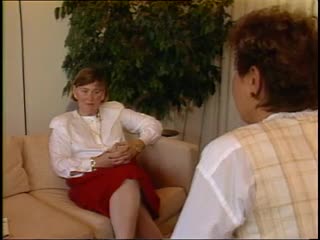
Christy George reports that critics have charged George Bush's presidential campaign with exploiting racial fears among white voters. George notes that there is controversy over the Bush campaign's Willie Horton advertisement, which criticizes Democratic nominee Michael Dukakis's furlough program in Massachusetts. George's report includes footage of the Horton advertisement and footage of Jesse Jackson criticizing the advertisement. George interviews Dr. Alvin Poussaint (psychiatrist) about racism in the campaign and in Bush's political advertisements. Poussaint says that white voters see Horton as the "universal" African American criminal and that African Americans are associated with crime in the minds of whites. George reports that the Bush campaign advertisement does not use the face of William Horton (furloughed prisioner), but that campaign advertising by Bush supporters has used Horton's face. George notes that Bush has disassociated himself from the groups producing these ads. George's report includes footage from a political advertisement produced by "Americans for Bush." Poussaint says that the "Americans for Bush" advertisement is racist. He adds that Dukakis may lose white votes if he complains too much about racism because Americans do not like to be called racist. George notes that Poussaint believes that Horton's face triggers associations with other negative images of African Americans. Poussaint goes on to analyze race in US pop culture and in US politics. George's report is accompanied by images of African American figures in US politics, sports, and culture and by footage from Saturday Night Live of a satirical campaign advertisement. George's report is also accompanied by footage of Dukakis at a campaign rally.
1:00:12: Visual: Footage from WBZ-TV of Jesse Jackson (African American political leader) speaking from a podium. Jackson says that the Willie Horton advertisement has been used to conjure up "psycho-sexual fears" of African American men among whites voters. Shot of a black and white photo of William Horton (furloughed prisoner). Christy George reports that critics have charged George Bush's presidential campaign with exploiting racial fears among white voters. V: Footage of Dr. Alvin Poussaint (psychiatrist) being interviewed by George. Poussaint says that white voters see Horton as the "universal" African American criminal. George reports that Poussaint had supported Jackson for president; that Poussaint now supports Michael Dukakis (Democratic US presidential nominee). V: Footage of Poussaint saying that African Americans have long been associated with crime in the minds of whites. Poussaint notes that the rape of white women by African American men has always been a sensitive issue. Footage of the Bush campaign's Willie Horton advertisement. George notes that Horton's face is not shown in the Bush campaign advertisement about Dukakis's furlough program in Massachusetts. George notes that many of the prisoners shown in the Bush campaign ad are white. George adds that the Bush campaign is asking a legitimate questions about the Massachusetts' furlough program. V: Footage of Poussaint saying that Bush would have raised the issue of the furlough program even if Horton were white. Shots of George Bush (Republican US presidential nominee) speaking from a podium. George reports that Bush supporters have not been cautious about using Horton's face in their campaign literature. V: Footage of Dukakis addressing a crowd at a campaign rally on October 19, 1988. Dukakis holds up a piece of Bush campaign literature. Dukakis says that the campaign literature is "garbage." The crowd applauds for Dukakis. George reports that Dukakis has attacked the race-baiting campaign literature of a group of Bush supporters from Illinois. George notes that Bush has disassociated himself from the group's literature. V: Footage of Poussaint being interviewed by George. Poussaint says that Dukakis may gain minority votes by complaining about the subliminal racism of the Bush campaign; that Dukakis may lose white votes if he complains. Poussaint says that Americans do not like to be called racist. George talks about a campaign ad paid for by a group called "Americans for Bush." George notes that many have called the advertisement racist; that the advertisement has been running for months in key states. V: Footage of the "Americans for Bush" campaign advertisement. Footage of Poussaint saying that the Horton case can be used to exploit the association of African Americans with crime and drugs. George notes that the campaign's subliminal racial messages have become the subject of satire. V: Footage of a satirical campaign advertisement from Saturday Night Live. George reports that Poussaint believes that Horton's face triggers other negative associations with African Americans. V: Shot of a black and white photo of an African-American man in the custody of white police officers. Shots of the Reverend Louis Farrakhan (leader of the Nation of Islam) and Tawana Brawley (New York State resident); of the Reverend Al Sharpton (African American community figure); of a group of white people moving through a crowd; of Bernard Goetz (New York City resident) walking down a street. George reports that Poussaint is a consultant to the Cosby Show; that Poussaint advocates positive images of African Americans. V: Footage from The Cosby Show. George reports that The Cosby Show is the most popular show among white South Africans. George adds that Poussaint does not believe that an abundance of positive African American role models will change white attitudes. V: Shots of the Los Angeles Dodgers celebrating a win; of Stevie Wonder (pop singer); of Colin Powell (National Security Advisor to Ronald Reagan); of Magic Johnson (basketball player); of Bishop Desmond Tutu (Black South African leader) with Dukakis. Shot of the floor of the Republican Political Convention. George reports that Poussaint believes that whites do not find African American heroes and leaders threatening. George adds that Poussaint believes that whites transfer their fears to African Americans in their proximity. V: Footage of Poussaint saying that white women react to the color of his skin when they meet him on the street at night.
1:00:12: Visual: Footage from WBZ-TV of Jesse Jackson (African American political leader) speaking from a podium. Jackson says that the Willie Horton advertisement has been used to conjure up "psycho-sexual fears" of African American men among whites voters. Shot of a black and white photo of William Horton (furloughed prisoner). Christy George reports that critics have charged George Bush's presidential campaign with exploiting racial fears among white voters. V: Footage of Dr. Alvin Poussaint (psychiatrist) being interviewed by George. Poussaint says that white voters see Horton as the "universal" African American criminal. George reports that Poussaint had supported Jackson for president; that Poussaint now supports Michael Dukakis (Democratic US presidential nominee). V: Footage of Poussaint saying that African Americans have long been associated with crime in the minds of whites. Poussaint notes that the rape of white women by African American men has always been a sensitive issue. Footage of the Bush campaign's Willie Horton advertisement. George notes that Horton's face is not shown in the Bush campaign advertisement about Dukakis's furlough program in Massachusetts. George notes that many of the prisoners shown in the Bush campaign ad are white. George adds that the Bush campaign is asking a legitimate questions about the Massachusetts' furlough program. V: Footage of Poussaint saying that Bush would have raised the issue of the furlough program even if Horton were white. Shots of George Bush (Republican US presidential nominee) speaking from a podium. George reports that Bush supporters have not been cautious about using Horton's face in their campaign literature. V: Footage of Dukakis addressing a crowd at a campaign rally on October 19, 1988. Dukakis holds up a piece of Bush campaign literature. Dukakis says that the campaign literature is "garbage." The crowd applauds for Dukakis. George reports that Dukakis has attacked the race-baiting campaign literature of a group of Bush supporters from Illinois. George notes that Bush has disassociated himself from the group's literature. V: Footage of Poussaint being interviewed by George. Poussaint says that Dukakis may gain minority votes by complaining about the subliminal racism of the Bush campaign; that Dukakis may lose white votes if he complains. Poussaint says that Americans do not like to be called racist. George talks about a campaign ad paid for by a group called "Americans for Bush." George notes that many have called the advertisement racist; that the advertisement has been running for months in key states. V: Footage of the "Americans for Bush" campaign advertisement. Footage of Poussaint saying that the Horton case can be used to exploit the association of African Americans with crime and drugs. George notes that the campaign's subliminal racial messages have become the subject of satire. V: Footage of a satirical campaign advertisement from Saturday Night Live. George reports that Poussaint believes that Horton's face triggers other negative associations with African Americans. V: Shot of a black and white photo of an African-American man in the custody of white police officers. Shots of the Reverend Louis Farrakhan (leader of the Nation of Islam) and Tawana Brawley (New York State resident); of the Reverend Al Sharpton (African American community figure); of a group of white people moving through a crowd; of Bernard Goetz (New York City resident) walking down a street. George reports that Poussaint is a consultant to the Cosby Show; that Poussaint advocates positive images of African Americans. V: Footage from The Cosby Show. George reports that The Cosby Show is the most popular show among white South Africans. George adds that Poussaint does not believe that an abundance of positive African American role models will change white attitudes. V: Shots of the Los Angeles Dodgers celebrating a win; of Stevie Wonder (pop singer); of Colin Powell (National Security Advisor to Ronald Reagan); of Magic Johnson (basketball player); of Bishop Desmond Tutu (Black South African leader) with Dukakis. Shot of the floor of the Republican Political Convention. George reports that Poussaint believes that whites do not find African American heroes and leaders threatening. George adds that Poussaint believes that whites transfer their fears to African Americans in their proximity. V: Footage of Poussaint saying that white women react to the color of his skin when they meet him on the street at night.
Collection:
Ten O'Clock News
Date Created:
10/25/1988