Description:
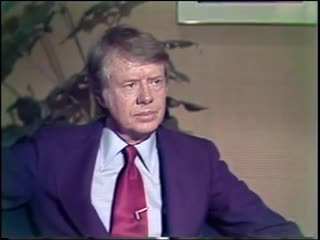
Deborah Wang reports that Boston supporters of Jesse Jackson are undecided about whether to campaign for Michael Dukakis. The supporters recently met to discuss their role in the upcoming campaign. Jackson delegates Mel King, Saundra Graham, Juanita Wade, and Byron Rushing are among the leaders of the meeting. The leaders say that the Dukakis campaign should not take the votes of Jackson supporters for granted. There are some Jackson supporters who will not support Dukakis under any circumstances. Interview with Philip Stanley of the Dukakis campaign about the role of Jackson supporters in the Dukakis campaign. Stanley says that the Dukakis campaign has been meeting with Jackson supporters and that the campaign is taking no votes for granted. Interviews with Jackson supporters Darryl Heller, Trent Pettus and Myra McAdoo. All three supporters criticize the Dukakis campaign. Wang's report includes footage of Dukakis and Jackson at the 1988 Democratic National Convention and footage of Jackson embarking on a voter registration campaign. This edition of the Ten O'Clock News also included the following item: Adult entertainment at the Highland Tap
1:00:02: Visual: Footage from July 21, 1988 of the Democratic National Convention. Michael Dukakis (Democratic US Presidential nominee) and Kitty Dukakis (wife of Michael Dukakis) are congratulated by Jesse Jackson (African American political leader) and Jacqueline Jackson (wife of Jesse Jackson). They are surrounded by Democratic Party notables. Deborah Wang reports that Jackson ended his presidential campaign by endorsing the nomination of his rival Dukakis; that Jackson pledged to campaign for Dukakis in the fall. V: Footage of Jackson speaking at the Democratic Convention on July 18, 1988. Jackson is flanked by Dukakis and Lloyd Bentsen (Democratic US vice-presidential nominee). Jackson says that he is not seeking a job or a salary; that he wants to serve the nation. Shot of Jackson standing at the entrance to a campaign bus. Jackson waves to supporters. Supporters hang a sign on the side of the bus. The sign reads, "Rainbow voter registration campaign." Wang reports that Jackson supporters are undecided about whether to campaign for Dukakis; that Jackson supporters met last night in Roxbury about their role in the upcoming campaign. V: Shots of the audience at the meeting. Campaign leaders including Mel King (community activist and Jackson delegate), Saundra Graham (Jackson delegate), Byron Rushing (State Representative and Jackson delegate), and Juanita Wade (Jackson delegate) sit at a table at the front of the room. Footage of Wade saying that Jackson supporters will use the Republican threat to convince others to vote for Dukakis. Wang reports that Jackson supporters are unhappy with the Dukakis campaign. V: Footage of King saying that the Dukakis campaign has not been listening to Jackson supporters. King says that the Dukakis campaign should have addressed the role of Jackson supporters before now. Footage of Graham saying that Dukakis should be pursuing the 7 million votes represented by Jackson supporters. Shot of a life-size cut-out of Dukakis in the window of the Dukakis volunteer headquarters. Footage of Philip Stanley (State Director for the 1988 Dukakis campaign) being interviewed by Wang. Stanley says that he has met twice this week with the Jackson leadership; that the discussions are progressing. Stanley says that the Dukakis campaign is not taking anyone's vote for granted. Shots of volunteers working at the Dukakis volunteer headquarters. Wang reports that some Jackson supporters says that they will not work for Dukakis under any circumstances. V: Shot of Rushing addressing the audience at the meeting of Jackson supporters. Footage of Darryl Heller (Jackson supporter) saying that Dukakis made a mistake by choosing Bentsen as his running mate. Heller says that Bentsen does not believe in any of the same things as Jackson; that Bentsen is closer to Ronald Reagan (US President) than he is to Jackson. Heller says that it would be a violation of his conscience to vote for the Dukakis ticket. Footage of Trent Pettus (Jackson supporter) saying that he will not vote for Dukakis. Pettus says that Dukakis does not believe that gays and lesbians are fit to be foster parents. Pettus says that Dukakis advocates a discriminatory policy against gays and lesbians. Pettus adds that he will not vote for Dukakis. Footage of Myra McAdoo (Jackson supporter) saying that Dukakis needs to be ready to deal realistically with minority groups; that Jackson needs to receive a message from minority groups. Wang reports that some Jackson supporters will work to revive the Rainbow Coalition; that the supporters will work to get Rainbow candidates elected to state and local offices. V: Shots of Jackson supporters at the meeting in Roxbury. Footage of Jackson at the Democratic National Convention. Shots of delegates on the floor waving signs reading, "Jesse!" Wang notes that Jackson supporters will try to gain concessions from the Democratic Party. V: Footage of Rushing saying that he wants his constituents to be represented fairly by the chosen leader of the Democratic Party. Rushing says that Jackson supporters must barter their votes for fair representation. Rushing says that Jackson supporters must not be taken for granted by Dukakis. Wang stands in front of the Dukakis volunteer headquarters. Wang reports that Dukakis may not need to make peace with local Jackson supporters; that Dukakis is expected to win Massachusetts easily. Wang reports that Jackson supporters hope that Dukakis includes them in his campaign. Wang adds that Jackson supporters want Dukakis to make it clear that he does not take Jackson voters for granted.
1:00:02: Visual: Footage from July 21, 1988 of the Democratic National Convention. Michael Dukakis (Democratic US Presidential nominee) and Kitty Dukakis (wife of Michael Dukakis) are congratulated by Jesse Jackson (African American political leader) and Jacqueline Jackson (wife of Jesse Jackson). They are surrounded by Democratic Party notables. Deborah Wang reports that Jackson ended his presidential campaign by endorsing the nomination of his rival Dukakis; that Jackson pledged to campaign for Dukakis in the fall. V: Footage of Jackson speaking at the Democratic Convention on July 18, 1988. Jackson is flanked by Dukakis and Lloyd Bentsen (Democratic US vice-presidential nominee). Jackson says that he is not seeking a job or a salary; that he wants to serve the nation. Shot of Jackson standing at the entrance to a campaign bus. Jackson waves to supporters. Supporters hang a sign on the side of the bus. The sign reads, "Rainbow voter registration campaign." Wang reports that Jackson supporters are undecided about whether to campaign for Dukakis; that Jackson supporters met last night in Roxbury about their role in the upcoming campaign. V: Shots of the audience at the meeting. Campaign leaders including Mel King (community activist and Jackson delegate), Saundra Graham (Jackson delegate), Byron Rushing (State Representative and Jackson delegate), and Juanita Wade (Jackson delegate) sit at a table at the front of the room. Footage of Wade saying that Jackson supporters will use the Republican threat to convince others to vote for Dukakis. Wang reports that Jackson supporters are unhappy with the Dukakis campaign. V: Footage of King saying that the Dukakis campaign has not been listening to Jackson supporters. King says that the Dukakis campaign should have addressed the role of Jackson supporters before now. Footage of Graham saying that Dukakis should be pursuing the 7 million votes represented by Jackson supporters. Shot of a life-size cut-out of Dukakis in the window of the Dukakis volunteer headquarters. Footage of Philip Stanley (State Director for the 1988 Dukakis campaign) being interviewed by Wang. Stanley says that he has met twice this week with the Jackson leadership; that the discussions are progressing. Stanley says that the Dukakis campaign is not taking anyone's vote for granted. Shots of volunteers working at the Dukakis volunteer headquarters. Wang reports that some Jackson supporters says that they will not work for Dukakis under any circumstances. V: Shot of Rushing addressing the audience at the meeting of Jackson supporters. Footage of Darryl Heller (Jackson supporter) saying that Dukakis made a mistake by choosing Bentsen as his running mate. Heller says that Bentsen does not believe in any of the same things as Jackson; that Bentsen is closer to Ronald Reagan (US President) than he is to Jackson. Heller says that it would be a violation of his conscience to vote for the Dukakis ticket. Footage of Trent Pettus (Jackson supporter) saying that he will not vote for Dukakis. Pettus says that Dukakis does not believe that gays and lesbians are fit to be foster parents. Pettus says that Dukakis advocates a discriminatory policy against gays and lesbians. Pettus adds that he will not vote for Dukakis. Footage of Myra McAdoo (Jackson supporter) saying that Dukakis needs to be ready to deal realistically with minority groups; that Jackson needs to receive a message from minority groups. Wang reports that some Jackson supporters will work to revive the Rainbow Coalition; that the supporters will work to get Rainbow candidates elected to state and local offices. V: Shots of Jackson supporters at the meeting in Roxbury. Footage of Jackson at the Democratic National Convention. Shots of delegates on the floor waving signs reading, "Jesse!" Wang notes that Jackson supporters will try to gain concessions from the Democratic Party. V: Footage of Rushing saying that he wants his constituents to be represented fairly by the chosen leader of the Democratic Party. Rushing says that Jackson supporters must barter their votes for fair representation. Rushing says that Jackson supporters must not be taken for granted by Dukakis. Wang stands in front of the Dukakis volunteer headquarters. Wang reports that Dukakis may not need to make peace with local Jackson supporters; that Dukakis is expected to win Massachusetts easily. Wang reports that Jackson supporters hope that Dukakis includes them in his campaign. Wang adds that Jackson supporters want Dukakis to make it clear that he does not take Jackson voters for granted.
Collection:
Ten O'Clock News
Date Created:
08/25/1988