Description:
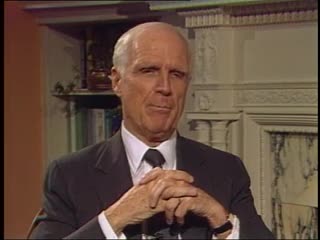
Alexandra Marks reports on the Jeter family's business. These entrepreneurs started Jet-A-Way trash disposal and recycling business in Boston in 1967. Interview with Jesse Jeter on the lack of media attention on successful African American people and other minority businesses. He also talks about the racism he experiences in some of his business relationships. Interview with Ed and Darlene Jeter on the hard work they put into their business. They also discuss the help that affirmative action has given their company. Footage from the NAACP's Leadership Development Training Conference. Interview with entrepreneur William Singleton, president of Quest, who talks about the lack of financing for minority companies. Following the edited story is additional b-roll footage of the Jet-A-Way company at work. Recycling yard, dumpsters, heavy machinery.
1:00:07: Visual: Shots of machinery sorting trash at a Jet-A-Way sorting facility. Alexandra Marks reports that Jet-A-Way owns a state-of-the-art trash-sorting plant; that Jet-A-Way is a multi-million dollar Boston company; that Jet-A-Way recycles trash, industrial waste, and construction debris. V: Footage of Jesse Jeter (marketing director, Jet-A-Way) being interviewed at the facility. Jeter says that they recycle materials from projects as far away as South Korea and Japan. Marks reports that Jeter's parents started Jet-A-Way in 1967; that Jet-A-Way is one of the fastest-growing minority firms in the US. V: Shots of bales of paper being moved around a warehouse; of Jeter watching standing in the warehouse as a white worker maneuvers a piece of equipment. Shot of a Jet-A-Way truck. Footage of Jeter being interviewed by Marks. Jeter says that people are not familiar with successful African American entrepreneurs; that the media concentrate on crime, drug and poverty in the African American community. Marks reports that Jeter says that people make prejudicial assumptions about many minority businesses. V: Footage of Jeter being interviewed by Marks. Jeter says that people will second-guess the decisions of a minority firm. Jeter says that prospective clients will ask to see the client lists of minority firms; that prospective clients doubt the legitimacy of minority firms. Jeter says that his firm services MIT (Massachusetts Institute of Technology, the John Hancock Company, and the Town of Newton. Footage of Ed Jeter (Jet-A-Way) and Darlene Jeter (Jet-A-Way) being interviewed. Ed Jeter says that the company has succeeded through hard work. Marks reports that Darlene and Ed Jeter have seen the company through several economic downturns; that they are good businesspeople. V: Footage of Ed Jeter being interviewed. Ed Jeter says that the company benefitted from minority quotas that were in place when the business began. Footage of Darlene Jeter being interviewed. Darlene Jeter says that Jet-A-Way formed good business relationships with their early clients; that they have served some clients for over twenty years. Marks reports that business success was the theme of a last week's NAACP Leadership Development Training Conference. Marks reports that prominent African American women modeled business fashion; that young entrepreneurs worked the crowd at the luncheon. V: Footage from the NAACP Leadership Development Training Conference. Shot of an African American man singing and playing the piano at the luncheon. Shot of an African American woman modeling a dress on a catwalk. The audience at the luncheon applauds. Shot of a second African American woman modeling an outfit. Shot of William Singleton (President, Quest Publishing Company) talking about his company to two conference attendees. Footage of Singleton being interviewed at the conference. Singleton says that most people do not see the activity of African American entrepreneurs; that African American entrepreneurs are underfinanced and working hard. Marks reports that Singleton's company publishes the magazine "Black History Is No Mystery." Marks notes that Singleton believes that the lack of financing for African American entrepreneurs is due to ignorance. V: Shot of Singleton talking to conference attendees at a table. Footage of Singleton being interviewed at the conference. Singleton says that financers do not understand how the African American community works; that people are starting to understand. Marks reports that there are challenges for African-American businesses. V: Shots of workers sorting trash and debris on an assembly line. Jesse Jeter surveys the operation in the facility. Footage of Jesse Jeter being interviewed. Jesse Jeter says that racism exists in Boston and in the US. Jesse Jeter says that racism affects contracts, business relationships, and personal relationships. Shots of machinery moving trash in the Jet-A-Way facility; of Jeter directing operations in the facility.
1:00:07: Visual: Shots of machinery sorting trash at a Jet-A-Way sorting facility. Alexandra Marks reports that Jet-A-Way owns a state-of-the-art trash-sorting plant; that Jet-A-Way is a multi-million dollar Boston company; that Jet-A-Way recycles trash, industrial waste, and construction debris. V: Footage of Jesse Jeter (marketing director, Jet-A-Way) being interviewed at the facility. Jeter says that they recycle materials from projects as far away as South Korea and Japan. Marks reports that Jeter's parents started Jet-A-Way in 1967; that Jet-A-Way is one of the fastest-growing minority firms in the US. V: Shots of bales of paper being moved around a warehouse; of Jeter watching standing in the warehouse as a white worker maneuvers a piece of equipment. Shot of a Jet-A-Way truck. Footage of Jeter being interviewed by Marks. Jeter says that people are not familiar with successful African American entrepreneurs; that the media concentrate on crime, drug and poverty in the African American community. Marks reports that Jeter says that people make prejudicial assumptions about many minority businesses. V: Footage of Jeter being interviewed by Marks. Jeter says that people will second-guess the decisions of a minority firm. Jeter says that prospective clients will ask to see the client lists of minority firms; that prospective clients doubt the legitimacy of minority firms. Jeter says that his firm services MIT (Massachusetts Institute of Technology, the John Hancock Company, and the Town of Newton. Footage of Ed Jeter (Jet-A-Way) and Darlene Jeter (Jet-A-Way) being interviewed. Ed Jeter says that the company has succeeded through hard work. Marks reports that Darlene and Ed Jeter have seen the company through several economic downturns; that they are good businesspeople. V: Footage of Ed Jeter being interviewed. Ed Jeter says that the company benefitted from minority quotas that were in place when the business began. Footage of Darlene Jeter being interviewed. Darlene Jeter says that Jet-A-Way formed good business relationships with their early clients; that they have served some clients for over twenty years. Marks reports that business success was the theme of a last week's NAACP Leadership Development Training Conference. Marks reports that prominent African American women modeled business fashion; that young entrepreneurs worked the crowd at the luncheon. V: Footage from the NAACP Leadership Development Training Conference. Shot of an African American man singing and playing the piano at the luncheon. Shot of an African American woman modeling a dress on a catwalk. The audience at the luncheon applauds. Shot of a second African American woman modeling an outfit. Shot of William Singleton (President, Quest Publishing Company) talking about his company to two conference attendees. Footage of Singleton being interviewed at the conference. Singleton says that most people do not see the activity of African American entrepreneurs; that African American entrepreneurs are underfinanced and working hard. Marks reports that Singleton's company publishes the magazine "Black History Is No Mystery." Marks notes that Singleton believes that the lack of financing for African American entrepreneurs is due to ignorance. V: Shot of Singleton talking to conference attendees at a table. Footage of Singleton being interviewed at the conference. Singleton says that financers do not understand how the African American community works; that people are starting to understand. Marks reports that there are challenges for African-American businesses. V: Shots of workers sorting trash and debris on an assembly line. Jesse Jeter surveys the operation in the facility. Footage of Jesse Jeter being interviewed. Jesse Jeter says that racism exists in Boston and in the US. Jesse Jeter says that racism affects contracts, business relationships, and personal relationships. Shots of machinery moving trash in the Jet-A-Way facility; of Jeter directing operations in the facility.
Collection:
Ten O'Clock News
Date Created:
03/29/1991