Description:
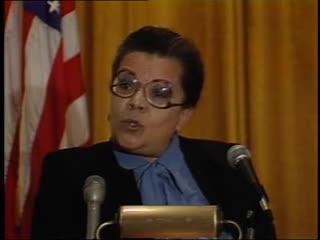
Profile of Robert Spillane, superintendent of Boston Public Schools as he prepares to leave Boston for a post in Virginia. Vaillancourt reports on Spillane's accomplishments in improving the Boston Public School System and cutting the school budget deficit. Interview with Spillane where he compliments the teaching staff in the Boston Public Schools and talks about his opinion of Arthur Garrity. He says that Garrity's stewardship of the school system was a disaster. Interview with Peter McCormick, the President of the Bank of New England, about Spillane's good relationship with the business community. Vaillancourt speculates about whether Spillane will one day pursue a career in politics.
1:00:21: Visual: Footage of Robert Spillane (Superintendent, Boston Public Schools) speaking to an audience. Spillane says that the quality of every school must be improved in order for school desegregation to be considered a success. Meg Vaillancourt reports that Spillane took over as Superintendent of the Boston Public Schools four years ago; that Boston was undergoing school desegregation. V: Shot of a young African American boy watching an anti-busing march. White protesters chant, "Here we go, Southie." Shot of a police officer pushing an angry white man against a car. Vaillancourt reports that the quality of education was very low. Vaillancourt notes that school officials admitted that more than one-third of the graduates from Boston Public Schools could not read. V: Shots of students descending an elevator at English High School. Shot of an African American male student reading at a his desk; of two white male students sitting together in a classroom; of students in a classroom. Shots of a group of students sitting together in a study hall; of a teacher in the study hall. Vaillancourt reports that there were six superintendents during the first seven years of school desegregation in Boston. Vaillancourt reports that Spillane was committed to changing the schools in Boston. V: Shot of Spillane seating himself as he prepares to speak to an audience. The audience applauds. Vaillancourt reports that Spillane instituted the first changes to the school curriculum in fifteen years; that promotion standards were established; that students' test scores began to improve. V: Shot of two elementary school students seated in front of computers. A teacher looks over the shoulder of one of the students. Vaillancourt reports that Spillane shares credit for success with his staff. V: Footage of Spillane being interviewed. Spillane says that there is an excellent teaching staff in the Boston Public Schools. Spillane says that the rising levels of student achievement reflect the dedication of the teaching staff. Spillane says that he provided help and direction. Spillane says that he challenged the teachers by publishing the test scores of each school. Shots of Spillane in his office. Vaillancourt reports that Spillane is known as the "velvet hammer." V: Shot of a hammer with a velvet grip on display in Spillane's office. Vaillancourt reports that Spillane is credited with pushing Arthur Garrity (federal judge) aside; that Spillane allowed the Boston School Department to take charge of the schools once again. Vaillancourt notes that Garrity is slowly handing over his control of the Boston Public Schools. V: Shot of Garrity at a community meeting in January of 1976. Vaillancourt reports that Spillane has few kind words for Garrity. V: Footage of Spillane being interviewed by Vaillancourt. Spillane says that Garrity was a "disaster"; that Garrity was not a good manager of the schools. Spillane says that Garrity did what was necessary to desegregate the schools; that Garrity tried to manage the schools as well. Spillane says that a federal judge has no qualifications to manage a school system. Vaillancourt reports that Spillane considers his ability to manage the school system as his strength. Vaillancourt reports that the school budget had tripled in the decade before Spillane's arrival. Vaillancourt reports that Spillane cut the school deficit from $30 million to $3 million within one year. Vaillancourt notes that Spillane got Boston businesses involved in the schools; that Boston businesses have given over $5 million in additional funds to the schools. Vaillancourt adds that the Boston Public Schools have the largest private endowment in the nation. V: Footage of a woman introducing Spillane to an audience. Spillane rises from his seat, shakes the woman's hand and prepares to address the audience. The audience applauds. Shots of audience members. Footage of Spillane receiving an award in front of an audience. Footage of Peter McCormick (President, Bank of New England) being interviewed. McCormick says that Spillane is highly respected by the business community. McCormick says that Spillane understands the problems of the business community; that Spillane has been willing to be flexible. McCormick says that the business community responded in kind to Spillane. Vaillancourt reports that Spillane is leaving Boston for Virginia; that Spillane will make an additional $30,000 per year in his new job. Vaillancourt reports that Spillane made $70,000 per year in Boston; that his salary is considered low. V: Footage of Spillane talking with a small group of people. Spillane shakes hands with an Asian American woman. Footage of Spillane being interviewed by Vaillancourt. Spillane says that superintendents are like athletes in that they have a short span of time in which to perform well and make money. Spillane says that there is a good market for superintendents. Vaillancourt reports that some are speculating that Spillane is looking for a political appointment in Washington DC. in the future. Vaillancourt notes that Spillane is a former Deputy Commissioner of Education in New York. V: Shot of Spillane socializing with a group of people at a gathering. Footage of Spillane being interviewed by Vaillancourt. Spillane says that public service is a great opportunity; that he loves public service. Spillane says that he may enter politics in the future; that he might like to be a city councillor or school committee member someday.
1:00:21: Visual: Footage of Robert Spillane (Superintendent, Boston Public Schools) speaking to an audience. Spillane says that the quality of every school must be improved in order for school desegregation to be considered a success. Meg Vaillancourt reports that Spillane took over as Superintendent of the Boston Public Schools four years ago; that Boston was undergoing school desegregation. V: Shot of a young African American boy watching an anti-busing march. White protesters chant, "Here we go, Southie." Shot of a police officer pushing an angry white man against a car. Vaillancourt reports that the quality of education was very low. Vaillancourt notes that school officials admitted that more than one-third of the graduates from Boston Public Schools could not read. V: Shots of students descending an elevator at English High School. Shot of an African American male student reading at a his desk; of two white male students sitting together in a classroom; of students in a classroom. Shots of a group of students sitting together in a study hall; of a teacher in the study hall. Vaillancourt reports that there were six superintendents during the first seven years of school desegregation in Boston. Vaillancourt reports that Spillane was committed to changing the schools in Boston. V: Shot of Spillane seating himself as he prepares to speak to an audience. The audience applauds. Vaillancourt reports that Spillane instituted the first changes to the school curriculum in fifteen years; that promotion standards were established; that students' test scores began to improve. V: Shot of two elementary school students seated in front of computers. A teacher looks over the shoulder of one of the students. Vaillancourt reports that Spillane shares credit for success with his staff. V: Footage of Spillane being interviewed. Spillane says that there is an excellent teaching staff in the Boston Public Schools. Spillane says that the rising levels of student achievement reflect the dedication of the teaching staff. Spillane says that he provided help and direction. Spillane says that he challenged the teachers by publishing the test scores of each school. Shots of Spillane in his office. Vaillancourt reports that Spillane is known as the "velvet hammer." V: Shot of a hammer with a velvet grip on display in Spillane's office. Vaillancourt reports that Spillane is credited with pushing Arthur Garrity (federal judge) aside; that Spillane allowed the Boston School Department to take charge of the schools once again. Vaillancourt notes that Garrity is slowly handing over his control of the Boston Public Schools. V: Shot of Garrity at a community meeting in January of 1976. Vaillancourt reports that Spillane has few kind words for Garrity. V: Footage of Spillane being interviewed by Vaillancourt. Spillane says that Garrity was a "disaster"; that Garrity was not a good manager of the schools. Spillane says that Garrity did what was necessary to desegregate the schools; that Garrity tried to manage the schools as well. Spillane says that a federal judge has no qualifications to manage a school system. Vaillancourt reports that Spillane considers his ability to manage the school system as his strength. Vaillancourt reports that the school budget had tripled in the decade before Spillane's arrival. Vaillancourt reports that Spillane cut the school deficit from $30 million to $3 million within one year. Vaillancourt notes that Spillane got Boston businesses involved in the schools; that Boston businesses have given over $5 million in additional funds to the schools. Vaillancourt adds that the Boston Public Schools have the largest private endowment in the nation. V: Footage of a woman introducing Spillane to an audience. Spillane rises from his seat, shakes the woman's hand and prepares to address the audience. The audience applauds. Shots of audience members. Footage of Spillane receiving an award in front of an audience. Footage of Peter McCormick (President, Bank of New England) being interviewed. McCormick says that Spillane is highly respected by the business community. McCormick says that Spillane understands the problems of the business community; that Spillane has been willing to be flexible. McCormick says that the business community responded in kind to Spillane. Vaillancourt reports that Spillane is leaving Boston for Virginia; that Spillane will make an additional $30,000 per year in his new job. Vaillancourt reports that Spillane made $70,000 per year in Boston; that his salary is considered low. V: Footage of Spillane talking with a small group of people. Spillane shakes hands with an Asian American woman. Footage of Spillane being interviewed by Vaillancourt. Spillane says that superintendents are like athletes in that they have a short span of time in which to perform well and make money. Spillane says that there is a good market for superintendents. Vaillancourt reports that some are speculating that Spillane is looking for a political appointment in Washington DC. in the future. Vaillancourt notes that Spillane is a former Deputy Commissioner of Education in New York. V: Shot of Spillane socializing with a group of people at a gathering. Footage of Spillane being interviewed by Vaillancourt. Spillane says that public service is a great opportunity; that he loves public service. Spillane says that he may enter politics in the future; that he might like to be a city councillor or school committee member someday.
Collection:
Ten O'Clock News
Date Created:
06/28/1985