Description: Deer Island prison exterior with snow. Main brick dormitory and several outbuildings. Boston skyline across harbor with whitecaps on waves. Plane flying low on approach to Logan Airport touches down on runway in distance.
Collection: Ten O'Clock News
Date Created: 01/27/1977
Description: Diana Ross rehearses at Music Hall. She wears a "Boston Loves Diana Ross" T-shirt. She answers questions from reporters at the edge of the stage. She talks about playing Dorothy in the Wiz and her inspirations. She talks about having children.
Collection: Ten O'Clock News
Date Created: 02/10/1977
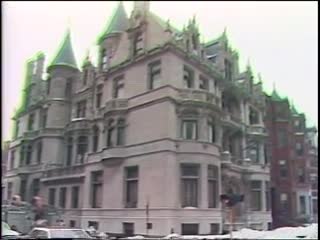
Description: Fenway and Back Bay street environs. Snow on ground. Snow emergency no parking sign. Ornamental street lamp.
Collection: Ten O'Clock News
Date Created: 02/03/1977
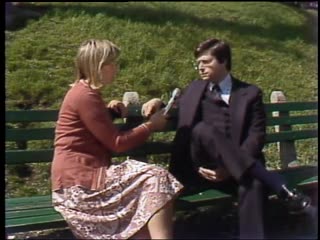
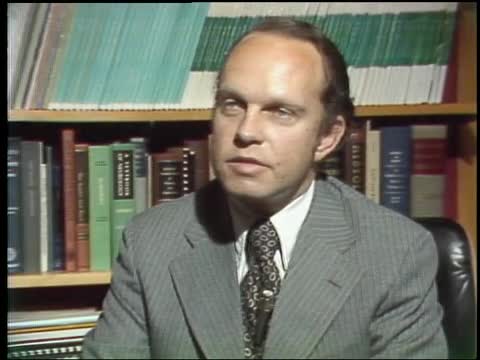
Description: Interview with new Boston Finance Commission (FinCom) chair, lawyer Jeffrey Lambert. His job is to do studies in city finances to save taxpayers money by uncovering inefficiencies and improprieties. He wants to keep his research as apolitical as possible. Three flags fly over City Hall: US, Commonwealth of Massachusetts, City of Boston.
Collection: Ten O'Clock News
Date Created: 05/10/1977
Description: Former CIA director George H. W. Bush speaks on national security and foreign affairs. In regards to relations with South American countries, Bush explains his belief that one should not use 1977 morals to pass judgment on events that happened in the past. Denies allegations that the CIA used the African Swine Fever Virus in Cuba to "destabilize". Also denies that he ever authorized any use of chemical or biological warfare agents. He touches briefly on his potential candidacy for presidency.
Collection: Ten O'Clock News
Date Created: 03/08/1977
Description: Mayor Kevin White honors seven distinguished Bostonians at a gala reception at the Parkman House. Women's rights advocate Florence Luscombe, community activist Melnea Cass, former senator and governor Leverett Saltonstall, former senator and ambassador Henry Cabot Lodge, theater critic Elliot Norton, historian Walter Muir Whitehill, entrepreneur Sidney Rabb (of Stop & Shop). Personal narratives of the honorees with archival stills of their lives.
Collection: Ten O'Clock News
Date Created: 08/06/1977
Description: Interview with Boston coin dealer Ed Leventhal who says people are not flocking to buy the newly offered South African Krugerrand, one troy ounce of gold selling for about $163. B-roll of gold and coin dealer's stores. Several takes of reporter standup from the Boson coin district on Bromfield Street. Interview with Margaret Marshall who explains why investment in the Krugerrand supports discriminatory gold mining industry and therefore apartheid. Contemporary TV ads for Krugerrands, for editing into the news story.
Collection: Ten O'Clock News
Date Created: 09/28/1977
Description: Austere interior of methadone clinic. Nurse at window counter with two pitchers. No addicts. Interview with doctor at Boston City Hospital on reason to develop alternative or transitional treatments for heroin addiction. Syringe in calibrated bottle of yellow liquid.
Collection: Ten O'Clock News
Date Created: 07/08/1977
Description: E. Edward Clark, a ninety-two-year-old African American man, speaks to a racially integrated class at the Hennigan Elementary School. The son of slaves, Clark tells vivid stories about his family's experiences in the south following emancipation and about growing up in Cambridge. He stresses the importance of a good education and respect for people of all races. The students ask Mr. Clark questions. Tape 1 of 2.
1:00:00: Visual: E. Edward Clark speaks to a racially integrated class at the Hennigan school. Clark describes the lives of his parents, who were slaves. Clark's father bought his freedom eight years before emancipation. His father bought the freedom of his mother, then the two were married. Clark's parents had 13 children. Clark describes the schools he attended as a boy, and the good education he received from New England missionaries who traveled south to teach former slaves. Clark describes race relations in the south after the Civil War. Clark says that his family moved to a cold-water flat at 143 Erie Street in Cambridge in 1898. Clark talks to the students about the importance of a good education and respect for others; about his impressions of how the world has changed. Clark warns the students that an education will prepare them to make a living later on. He reminds the students that the teachers are there to help them. Clark describes growing up in Cambridge in the early part of the century. He describes how the city has changed and how little things cost back then. 1:18:32: V: Clark invites the students to ask him questions. One student asks him about the secret to long life. Clark says that his parents were healthy; that he does not drink or smoke; that he does not believe in hate or violence. Clark stresses again that an education is necessary for success in life. Another student asks Clark if he was ever married.
Collection: Ten O'Clock News
Date Created: 04/27/1977
Description: Grand lobby, interior of Music Hall. Ornate chandelier, marble columns, heavenly mural. Gilded architectural details — carved moldings, capitals, medallions, angels. Interview with Harry Lodge, who gives history of Music Hall (formerly Metropolitan Theater), originally designed in 1920s by Clarence Blackhall for Vaudeville and movies. Describes the proposed restoration program to be completed in fall 1980 if lease secured and funds raised. In order to bring the Metropolitan Opera to Boston, the theater needs deeper stage for performing arts, updated communication systems, ventilation systems, and a renovated auditorium (seats 4,300). The theater is used for ballet, concerts, movies. Lodge states that this renovation with revitalize Boston as a major center for the performing arts. Lodge shows a drawing of the proposed plan.
Collection: Ten O'Clock News
Date Created: 06/21/1977