Description:
Meg Vaillancourt reports that Jesse Jackson gave a speech at Sanders Theatre at Harvard University as part of his effort to support the presidential campaign of Michael Dukakis. Jackson attacked George Bush and the Republican Party on issues of race, and defended the term "liberal" from Republican attacks. Additional footage of Jackson and Dukakis at the 1988 Democratic Convention. Independent presidential candidate Lenora Fulani also visited Boston today. Fulani is the African American progressive candidate of the New Alliance Party. Interview with Fulani, who says that progressive voters need to vote against Dukakis. She adds that the Democratic Party needs to differentiate itself from the Republican Party in order to win the votes of progressives. Vaillancourt notes that Fulani is a Jackson supporter. Vaillancourt reports that Fulani will probably not be a threat to Dukakis in the 1988 election. She adds that a future Jackson candidacy could threaten the Democratic Party by attracting disenchanted progressive voters from the Democratic Party.
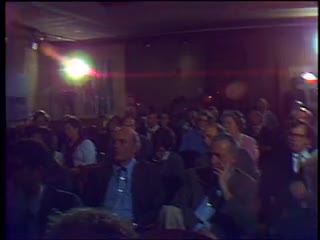
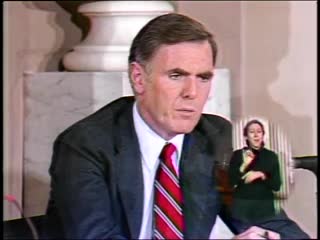
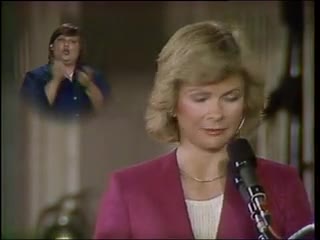
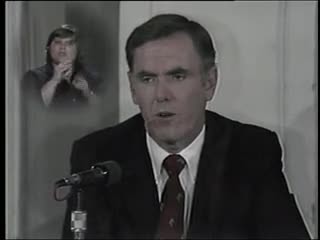
1:00:14: Visual: Footage of Jesse Jackson (African American political leader) addressing an audience at Sanders Theatre at Harvard University. Jackson talks about the civil rights movement. Shots of the audience. Meg Vaillancourt reports that Jackson attacked the Republican Party in his speech at Saunder Theatre today; that Jackson accused the Republicans of misusing the term "liberal" in the presidential campaign. V: Footage of Jackson at Sanders Theatre. Jackson accuses George Bush (Republican US presidential nominee) of attacking civil liberties as "subversive." Jackson riffs on the term "liberal." Shots of the audience applauding for Jackson. Vaillancourt notes that Jackson was campaigning for Michael Dukakis (Democratic US presidential nominee); that Jackson attacked Bush on issues of race. V: Footage of Jackson accusing Bush of buying a property labeled "caucasians only" in Houston. Footage from CNN of Dukakis, Kitty Dukakis (wife of Dukakis), Jackson, Jaqueline Jackson (wife of Jackson), and other Democratic Party leaders on stage at the 1988 Democratic Convention. Vaillancourt notes that Jackson appears frequently with Dukakis; that Jackson defended Dukakis's campaign style in his speech today. V: Footage of Jackson saying that "passion is a new extra-constitutional requirement" for the presidency. Vaillancourt stands outside of Memorial Hall at Harvard University. Vaillancourt reports that Lenora Fulani (Independent candidate for US President) was in Boston today; that Fulani is an African American progressive candidate for the presidency. V: Footage of Fulani being interviewed by Vaillancourt. Fulani says that voters should not vote for Dukakis; that the Democratic Party needs to learn not to take African American and white progressive voters for granted. Vaillancourt reports that Fulani is the candidate of the New Alliance Party. Vaillancourt adds that Fulani describes the New Alliance Party as a progressive party which is mindful of gay and minority voters. V: Footage of Jackson shaking hands with supporters after his speech. Jackson holds up a young white girl. He gives the thumbs-up sign to the crowd. Vaillancourt reports that Fulani is a Jackson supporter; that Fulani is running against Dukakis. V: Footage of Fulani being interviewed by Vaillancourt. Fulani says that progressive voters need to vote according to their own self-interests; she urges progressive voters to vote against Dukakis. Vaillancourt asks if progressive voters should vote for Fulani and risk having a Republican president. Fulani says that the Democratic Party is responsible for the Republican victories of Ronald Reagan (US President) and Richard Nixon (former US President). Fulani says that the Democratic Party needs to differentiate itself from the Republican Party. Fulani says that Dukakis is now paying attention to progressive voters because he is down in the polls. Vaillancourt reports that Fulani will probably not be a threat to Dukakis; that her criticism may signal a future problem for the party. V: Shot of Jackson on stage at the end of his speech. Vaillancourt reports that the Democratic Party would be threatened if a candidate like Jackson decided to run as an independent candidate; that his candidacy would attract disenchanted Democratic voters. Vaillancourt reports that Jackson is still campaigning strongly for Dukakis; that Jackson's campaign efforts make him a force within the Democratic Party.
1:00:14: Visual: Footage of Jesse Jackson (African American political leader) addressing an audience at Sanders Theatre at Harvard University. Jackson talks about the civil rights movement. Shots of the audience. Meg Vaillancourt reports that Jackson attacked the Republican Party in his speech at Saunder Theatre today; that Jackson accused the Republicans of misusing the term "liberal" in the presidential campaign. V: Footage of Jackson at Sanders Theatre. Jackson accuses George Bush (Republican US presidential nominee) of attacking civil liberties as "subversive." Jackson riffs on the term "liberal." Shots of the audience applauding for Jackson. Vaillancourt notes that Jackson was campaigning for Michael Dukakis (Democratic US presidential nominee); that Jackson attacked Bush on issues of race. V: Footage of Jackson accusing Bush of buying a property labeled "caucasians only" in Houston. Footage from CNN of Dukakis, Kitty Dukakis (wife of Dukakis), Jackson, Jaqueline Jackson (wife of Jackson), and other Democratic Party leaders on stage at the 1988 Democratic Convention. Vaillancourt notes that Jackson appears frequently with Dukakis; that Jackson defended Dukakis's campaign style in his speech today. V: Footage of Jackson saying that "passion is a new extra-constitutional requirement" for the presidency. Vaillancourt stands outside of Memorial Hall at Harvard University. Vaillancourt reports that Lenora Fulani (Independent candidate for US President) was in Boston today; that Fulani is an African American progressive candidate for the presidency. V: Footage of Fulani being interviewed by Vaillancourt. Fulani says that voters should not vote for Dukakis; that the Democratic Party needs to learn not to take African American and white progressive voters for granted. Vaillancourt reports that Fulani is the candidate of the New Alliance Party. Vaillancourt adds that Fulani describes the New Alliance Party as a progressive party which is mindful of gay and minority voters. V: Footage of Jackson shaking hands with supporters after his speech. Jackson holds up a young white girl. He gives the thumbs-up sign to the crowd. Vaillancourt reports that Fulani is a Jackson supporter; that Fulani is running against Dukakis. V: Footage of Fulani being interviewed by Vaillancourt. Fulani says that progressive voters need to vote according to their own self-interests; she urges progressive voters to vote against Dukakis. Vaillancourt asks if progressive voters should vote for Fulani and risk having a Republican president. Fulani says that the Democratic Party is responsible for the Republican victories of Ronald Reagan (US President) and Richard Nixon (former US President). Fulani says that the Democratic Party needs to differentiate itself from the Republican Party. Fulani says that Dukakis is now paying attention to progressive voters because he is down in the polls. Vaillancourt reports that Fulani will probably not be a threat to Dukakis; that her criticism may signal a future problem for the party. V: Shot of Jackson on stage at the end of his speech. Vaillancourt reports that the Democratic Party would be threatened if a candidate like Jackson decided to run as an independent candidate; that his candidacy would attract disenchanted Democratic voters. Vaillancourt reports that Jackson is still campaigning strongly for Dukakis; that Jackson's campaign efforts make him a force within the Democratic Party.
Collection:
Ten O'Clock News
Date Created:
10/24/1988