Description:
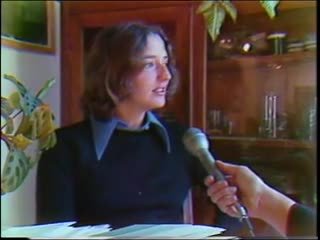
Meg Vaillancourt interviews Sterling Anderson of the Association of Community Organizations for Reform Now (ACORN) outside of the Dudley Branch Library about the lack of affordable housing in the Roxbury, Dorchester, and Mattapan areas. Anderson says that the city is not doing enough to provide affordable housing for low-income residents. Anderson questions the city's definition of low-income. He adds that most residents do not make enough money to meet the city's definition of low-income. Anderson and a group of ACORN protesters march to the offices of the Boston Redevelopment Authority on Washington Street in Dudley Square. Anderson and the protesters enter the office and confront Ricardo Millet of the Boston Redevelopment Authority (BRA) about the city's affordable housing policies. The protesters read a list of demands including that 70% of all new developments in the area must target low and moderate-income residents. The protesters demand information on all new planned developments in the Roxbury/Dorchester/Mattapan neighborhoods. Millet discusses the city's affordable housing policy with the protesters. He gives them handouts including a list of planned developments in the area. Millet says that the BRA is trying to provide affordable housing despite a lack of subsidies from the federal government.
1:00:14: Visual: A fire engine pulls out onto Washington Street. Elevated train tracks are visible. An African American firefighter operates the rear of the truck. Cars pull to the side of a congested street to let another fire engine pass. 1:01:22: V: Meg Vaillancourt sets up an interview with Sterling Anderson (ACORN). Vaillancourt asks about the march organized by ACORN (Association of Community Organizations for Reform Now) to protest the affordable housing policies of the Boston Redevelopment Authority (BRA). Anderson says that redevelopment in the areas of Roxbury, Dorchester, and Mattapan is not geared toward the current residents of those areas; that ACORN is trying to put pressure on the mayor and the BRA to include housing for current residents. Anderson says that most of the residents of those areas do not make more than $13,000 per year; that one-bedroom apartments are selling for $18,000 in one of the new developments. Anderson says that Ray Flynn (mayor of Boston) deserves credit for developing housing; that these efforts are insignificant if the residents of these areas cannot live in the new housing. Anderson talks about how poor people have been thrown out of areas like the South End. Anderson says that the residents need housing, not shelters; that the city needs to commit itself to affordable housing. Anderson says that the city defines low income as a salary of $18,000 to $23,000 per year; that the city defines a moderate income as an income of $23,000 per year. Anderson says that he defines low income as under $13,000; that he defines moderate income as $13,000 to $24,000 per year. Vaillancourt asks if the city is really serving its lower income residents. Anderson says that the city is not serving those residents; that a lot of people cannot afford housing; that the city is pushing low-income residents out of the areas of Roxbury, Dorchester, and Mattapan. Vaillancourt asks if race is the issue. Anderson says that it is an economic issue; that the low-income residents of Roxbury are African American; that there are low-income whites with the same problems in South Boston, Chelsea, and East Boston. Vaillancourt asks if Anderson doubts Flynn's commitment to the neighborhoods. Anderson says that he respects Flynn; that Flynn needs to understand that low-income residents are committed to fighting for affordable housing; that he needs to help these people. Anderson says that he cannot afford to give up on the fight for affordable housing; that he will have no place to live in five years if he does not put up a struggle. Anderson says that shelters are not the answer to the housing problem; that poor people do not want to live in shelters. Anderson says that there are some people who benefit from shelters; that the majority of people with low incomes are intelligent and hard-working. Anderson says that he hears the same statistics from the city at every meeting on affordable housing; that the city needs to make a commitment because working people cannot afford housing right now. The crew takes cutaway shots of Vaillancourt and Anderson. Anderson says that the BRA says the same thing at every meeting; that public housing advocates are always pushing for more low-income housing. Anderson says that 70% of the housing in the areas of Roxbury, Dorchester, and Mattapan needs to be for low- and moderate-income people. Anderson says that people in these areas have no place to live, despite the BRA's commitment to affordable housing; that developments in these areas should be priced at $35,000 instead of $65,000. 1:08:18: V: Housing protesters gather on the sidewalk on Washington Street, outside of the BRA's Dudley Office. The elevated train tracks are visible. The protesters chant, "We want housing. We won't wait. 2, 4, 6, 8." The protesters gather behind a banner reading, "ACORN." Shot of the BRA sign above the entrance to the office. The protesters march slowly into the BRA offices. The protesters chant, "What do we want? Housing. When do we want it? Now." The majority of the protesters are African American. The protesters file into the building. 1:10:48: V: The housing protesters enter a large room swith chairs set up for a meeting. The protesters chant, "2, 4, 6, 8. We want housing. We won't wait." The protesters stand at the side of the room, holding protest signs and chanting. Shot of a sign reading, "Third notice: Please be advised that you are required to build affordable housing." Shots of individual protesters. Ricardo Millet (BRA) sits in one of the chairs in the meeting room. He watches the protesters with interest. Millet invites the protesters to sit down. Anderson says that the protesters will remain standing. Anderson addresses Millet. Anderson says that there is a housing shortage in the areas of Roxbury, Dorchester, and Mattapan; that the BRA housing policy is ineffective; that residents of these areas need housing that they can afford. Anderson says that the newly developed housing target people with incomes of at least $23,000 per year; that most residents make less than $13,000 per year. Anderson says that the BRA and the city of Boston need to make a commitment to low-income housing; that 70% of the new development needs to target low-income residents. Anderson demands information on new developments planned for the Roxbury, Dorchester, and Mattapan areas. Anderson says that the BRA has not been forthcoming with that information; that the BRA needs to work with developers work with developers who have committed to building low-income housing. 1:14:34: V: An African American woman addresses Millet. She reads a list of ACORN demands: the cessation of development on Fountain Hill by June 15 unless the development is 70% affordable to those with low- and moderate-incomes; 70% of all new housing must target low- and moderate-income residents; that ACORN wants information on plans for new development in the area. Another protester says that the 70% quota applies to housing in the Roxbury, Dorchester, and Mattapan areas; that many residents of these areas make less than $13,000 per year; that an average income is more than $26,000 per year. The protester says that the voices of the poor must be heard. The protesters applaud. Anderson asks for a map of planned developments in the Roxbury/Mattapan area. Anderson says that the protesters will not allow new developments to be built if they cannot live in them. Millet stands to face the protesters. He listens as Anderson speaks. 1:16:10: V: Millet addresses the protesters. He invites the protesters to sit down and to discuss the issues with him. Anderson says that the protesters have been sitting in meetings for months; that the protesters want a list of the planned developments in the area. Millet says that he has never been asked for a list of the planned developments before now. Millet offers to provide the protesters with a list of projects currently undertaken by the BRA. Millet gives copies of a handout to the protesters. Millet notes that the BRA, under the Flynn administration, has approved 912 units of housing. Millet adds that the handout includes a list of approved projects as well as their locations, developers and affordablility. Shot of the printed handout. Millet says that 60% of the units in the approved developments are affordable to low- and moderate-income people. Shot of statistic on the handout reading, "60.4% of units below market rate." Anderson asks Millet to define low- and moderate-income. Millet says that the BRA will work with the protesters on the issue of low-income housing; that the BRA and the city want to respond to the needs of low-income people. Millet notes that it is hard to achieve these goals because the federal government has stopped subsidizing housing. Millet adds that the city has done well to achieve a 60% affordability rate in its new projects. Millet gives out copies of another handout. Millet explains that the handout covers the BRA's and the city's positions on affordable housing; that the handout describes the problem of affordable housing. Millet notes that the city is aware of the housing shortage. Anderson says that he gets the same responses every time he meets with the city and the BRA about housing; that no one is responding to their concerns. Shot of the crowd of protesters. Millet says that he has met with ACORN representatives in the past; that the BRA agrees with ACORN on the need to provide affordable housing; that the BRA is trying to achieve these goals without subsidies from the federal government. Millet stresses the fact that the BRA is committed to achieving these goals; that the BRA is trying their best to build affordable housing; that the BRA's achievement of a 60% affordabliltiy rate is remarkable.
1:00:14: Visual: A fire engine pulls out onto Washington Street. Elevated train tracks are visible. An African American firefighter operates the rear of the truck. Cars pull to the side of a congested street to let another fire engine pass. 1:01:22: V: Meg Vaillancourt sets up an interview with Sterling Anderson (ACORN). Vaillancourt asks about the march organized by ACORN (Association of Community Organizations for Reform Now) to protest the affordable housing policies of the Boston Redevelopment Authority (BRA). Anderson says that redevelopment in the areas of Roxbury, Dorchester, and Mattapan is not geared toward the current residents of those areas; that ACORN is trying to put pressure on the mayor and the BRA to include housing for current residents. Anderson says that most of the residents of those areas do not make more than $13,000 per year; that one-bedroom apartments are selling for $18,000 in one of the new developments. Anderson says that Ray Flynn (mayor of Boston) deserves credit for developing housing; that these efforts are insignificant if the residents of these areas cannot live in the new housing. Anderson talks about how poor people have been thrown out of areas like the South End. Anderson says that the residents need housing, not shelters; that the city needs to commit itself to affordable housing. Anderson says that the city defines low income as a salary of $18,000 to $23,000 per year; that the city defines a moderate income as an income of $23,000 per year. Anderson says that he defines low income as under $13,000; that he defines moderate income as $13,000 to $24,000 per year. Vaillancourt asks if the city is really serving its lower income residents. Anderson says that the city is not serving those residents; that a lot of people cannot afford housing; that the city is pushing low-income residents out of the areas of Roxbury, Dorchester, and Mattapan. Vaillancourt asks if race is the issue. Anderson says that it is an economic issue; that the low-income residents of Roxbury are African American; that there are low-income whites with the same problems in South Boston, Chelsea, and East Boston. Vaillancourt asks if Anderson doubts Flynn's commitment to the neighborhoods. Anderson says that he respects Flynn; that Flynn needs to understand that low-income residents are committed to fighting for affordable housing; that he needs to help these people. Anderson says that he cannot afford to give up on the fight for affordable housing; that he will have no place to live in five years if he does not put up a struggle. Anderson says that shelters are not the answer to the housing problem; that poor people do not want to live in shelters. Anderson says that there are some people who benefit from shelters; that the majority of people with low incomes are intelligent and hard-working. Anderson says that he hears the same statistics from the city at every meeting on affordable housing; that the city needs to make a commitment because working people cannot afford housing right now. The crew takes cutaway shots of Vaillancourt and Anderson. Anderson says that the BRA says the same thing at every meeting; that public housing advocates are always pushing for more low-income housing. Anderson says that 70% of the housing in the areas of Roxbury, Dorchester, and Mattapan needs to be for low- and moderate-income people. Anderson says that people in these areas have no place to live, despite the BRA's commitment to affordable housing; that developments in these areas should be priced at $35,000 instead of $65,000. 1:08:18: V: Housing protesters gather on the sidewalk on Washington Street, outside of the BRA's Dudley Office. The elevated train tracks are visible. The protesters chant, "We want housing. We won't wait. 2, 4, 6, 8." The protesters gather behind a banner reading, "ACORN." Shot of the BRA sign above the entrance to the office. The protesters march slowly into the BRA offices. The protesters chant, "What do we want? Housing. When do we want it? Now." The majority of the protesters are African American. The protesters file into the building. 1:10:48: V: The housing protesters enter a large room swith chairs set up for a meeting. The protesters chant, "2, 4, 6, 8. We want housing. We won't wait." The protesters stand at the side of the room, holding protest signs and chanting. Shot of a sign reading, "Third notice: Please be advised that you are required to build affordable housing." Shots of individual protesters. Ricardo Millet (BRA) sits in one of the chairs in the meeting room. He watches the protesters with interest. Millet invites the protesters to sit down. Anderson says that the protesters will remain standing. Anderson addresses Millet. Anderson says that there is a housing shortage in the areas of Roxbury, Dorchester, and Mattapan; that the BRA housing policy is ineffective; that residents of these areas need housing that they can afford. Anderson says that the newly developed housing target people with incomes of at least $23,000 per year; that most residents make less than $13,000 per year. Anderson says that the BRA and the city of Boston need to make a commitment to low-income housing; that 70% of the new development needs to target low-income residents. Anderson demands information on new developments planned for the Roxbury, Dorchester, and Mattapan areas. Anderson says that the BRA has not been forthcoming with that information; that the BRA needs to work with developers work with developers who have committed to building low-income housing. 1:14:34: V: An African American woman addresses Millet. She reads a list of ACORN demands: the cessation of development on Fountain Hill by June 15 unless the development is 70% affordable to those with low- and moderate-incomes; 70% of all new housing must target low- and moderate-income residents; that ACORN wants information on plans for new development in the area. Another protester says that the 70% quota applies to housing in the Roxbury, Dorchester, and Mattapan areas; that many residents of these areas make less than $13,000 per year; that an average income is more than $26,000 per year. The protester says that the voices of the poor must be heard. The protesters applaud. Anderson asks for a map of planned developments in the Roxbury/Mattapan area. Anderson says that the protesters will not allow new developments to be built if they cannot live in them. Millet stands to face the protesters. He listens as Anderson speaks. 1:16:10: V: Millet addresses the protesters. He invites the protesters to sit down and to discuss the issues with him. Anderson says that the protesters have been sitting in meetings for months; that the protesters want a list of the planned developments in the area. Millet says that he has never been asked for a list of the planned developments before now. Millet offers to provide the protesters with a list of projects currently undertaken by the BRA. Millet gives copies of a handout to the protesters. Millet notes that the BRA, under the Flynn administration, has approved 912 units of housing. Millet adds that the handout includes a list of approved projects as well as their locations, developers and affordablility. Shot of the printed handout. Millet says that 60% of the units in the approved developments are affordable to low- and moderate-income people. Shot of statistic on the handout reading, "60.4% of units below market rate." Anderson asks Millet to define low- and moderate-income. Millet says that the BRA will work with the protesters on the issue of low-income housing; that the BRA and the city want to respond to the needs of low-income people. Millet notes that it is hard to achieve these goals because the federal government has stopped subsidizing housing. Millet adds that the city has done well to achieve a 60% affordability rate in its new projects. Millet gives out copies of another handout. Millet explains that the handout covers the BRA's and the city's positions on affordable housing; that the handout describes the problem of affordable housing. Millet notes that the city is aware of the housing shortage. Anderson says that he gets the same responses every time he meets with the city and the BRA about housing; that no one is responding to their concerns. Shot of the crowd of protesters. Millet says that he has met with ACORN representatives in the past; that the BRA agrees with ACORN on the need to provide affordable housing; that the BRA is trying to achieve these goals without subsidies from the federal government. Millet stresses the fact that the BRA is committed to achieving these goals; that the BRA is trying their best to build affordable housing; that the BRA's achievement of a 60% affordabliltiy rate is remarkable.
Collection:
Ten O'Clock News
Date Created:
05/28/1986