Description:
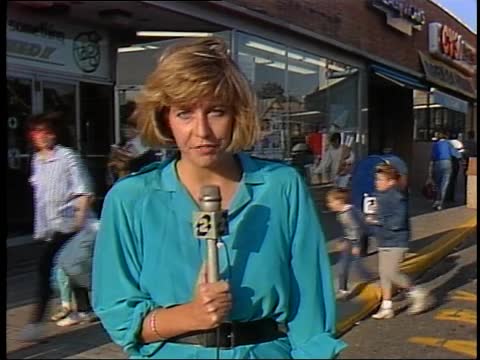
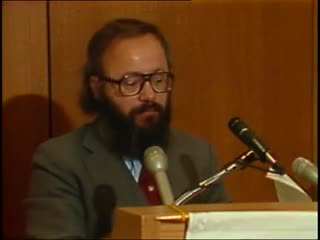
Hope Kelly reports on the health care workers and patients at the Codman Square Health Center. Kelly notes that the health care workers at the Codman Square Health Center are not surprised at the rise in the infant mortality rate in Boston. She adds that many of the patients at the Center are immigrants and have no health insurance. Kelly interviews Bill Walczak (Codman Square Health Center), Dr. Tony Schlaff (head of the Codman Square Health Center), Dr. Graunke (pediatrician, Codman Square Health Center) and Cynthia Smith (head nurse, OBGYN practitioner, Codman Square Health Center). The four health care workers describe the challenges faced by poor women and children. Walczak says that many of the patients are in a perpetual state of crisis due to housing and transportation problems. Schlaff talks about the need for health education and pre-natal care for at-risk populations. Graunke talks about high rate of malnutrition in Codman Square. Smith talks about the rising rate of teen pregnancies. Kelly's report includes footage of health care workers and several patients at the center. Kelly's report also features footage of Dr. Graunke examining patients. Kelly notes that workers at the Center often treat children who have never received medical attention. This tape includes footage of Dr. Kenneth Edelin (Boston City Hospital), Juanita Wade (Boston School Committee), Charles Yancey (Boston City Council) and others at a press conference on Codman Square's high infant mortality rate. It also includes shots of newspaper articles about the rising infant mortality rate.
1:00:06: Visual: Shot of the church in Codman Square. Shot of the sign for the "Codman Square Health Center." Shot of a white female doctor examining an African American infant with a stethoscope. Footage of an African American health care worker asking a mother about her child's symptoms. The mother (Beverly) says that the child has vomiting and diarrhea. Hope Kelly reports that workers at the Codman Square Health Center were not suprised at the increase in the infant mortality rate in Boston. V: Footage of Bill Walczak (Codman Square Health Center) talking about an Hispanic woman who had come in to the health center looking for some emergency food. Walczak says that the woman and her thirteen children had been evicted from their home; that the woman and her children have no place to live because of the housing shortage. Footage of Dr. Tony Schlaff (Head of the Codman Square Health Center) talks about a pregnant woman who was due to give birth. Schlaff says that the woman had only visited the healthcare center twice during her pregnancy; that the woman did not know that smoking was harmful to the health of her fetus. Kelly reports the Codman Square Healthcare Center has 1,100 registered patients and 20,000 medical visits per year. Kelly talks about a woman from Barbados named Beverly, who has an infant daughter named Ashley and two sons ages 8 and 3. V: Shots of Beverly in the waiting room of the healthcare center. Kelly talks about a woman named Carmen and her son Ian. Kelly reports that Carmen receives aid from the AFDC and from a nutrition program. V: Shots of Dr. Graunke (pediatrician, Codman Square Health Center) examining Ian. Carmen looks on. Kelly reports that many women do not come in for their appointments at the healthcare center. V: Footage of Graunke saying that 30 to 40% of the appointments at the healthcare center are not kept. Footage of Walczak saying that the patients are always in a state of crisis due to housing problems and transportation problems; that the patients do not have the access to "the things that are taken for granted by middle-class Americans." Footage of an African American woman working behind the reception desk at the clinic. A mother and her child wait in front of the desk. Kelly reports that 50% of the patients at the Codman Square Health Center do not have medical insurance; that 20% of the patients have no telephone; that 40% of the patients are immigrants. V: Shot of an African American health care worker filling out paperwork; of Graunke examining Ian in an examination room; of vials being put into a metal container in an examination room; of medical equipment in an examination room. Kelly reports that the center frequently treats children who have never received medical care; that some children have never been immunized. Kelly reports that positive tests for tuberculosis and lead poisoning are common. V: Footage of Graunke saying that the malnutrition rate is six times greater in Codman Square than it is in the rest of Massachusetts. Shots of storefronts in Codman Square. Kelly reports that the closest grocery stores is two bus rides away from Codman Square; that smaller stores are expensive and sell a lot of junk food. V: Footage of Cynthia Smith (Head nurse, Codman Square Health Center) saying that she is seeing two or three new teenage pregnancies per week. Footage of Walczak saying that advances in medical technology have not helped eradicate infant mortality from poor neighborhoods. Kelly notes that the waiting room wall has a photo of Codman Square from 1935. V: Shots of an African American man and an African American boy sitting in the waiting room. Kelly notes that progress seems to have stopped in Codman Square. V: Shot of an African American health care worker.
1:00:06: Visual: Shot of the church in Codman Square. Shot of the sign for the "Codman Square Health Center." Shot of a white female doctor examining an African American infant with a stethoscope. Footage of an African American health care worker asking a mother about her child's symptoms. The mother (Beverly) says that the child has vomiting and diarrhea. Hope Kelly reports that workers at the Codman Square Health Center were not suprised at the increase in the infant mortality rate in Boston. V: Footage of Bill Walczak (Codman Square Health Center) talking about an Hispanic woman who had come in to the health center looking for some emergency food. Walczak says that the woman and her thirteen children had been evicted from their home; that the woman and her children have no place to live because of the housing shortage. Footage of Dr. Tony Schlaff (Head of the Codman Square Health Center) talks about a pregnant woman who was due to give birth. Schlaff says that the woman had only visited the healthcare center twice during her pregnancy; that the woman did not know that smoking was harmful to the health of her fetus. Kelly reports the Codman Square Healthcare Center has 1,100 registered patients and 20,000 medical visits per year. Kelly talks about a woman from Barbados named Beverly, who has an infant daughter named Ashley and two sons ages 8 and 3. V: Shots of Beverly in the waiting room of the healthcare center. Kelly talks about a woman named Carmen and her son Ian. Kelly reports that Carmen receives aid from the AFDC and from a nutrition program. V: Shots of Dr. Graunke (pediatrician, Codman Square Health Center) examining Ian. Carmen looks on. Kelly reports that many women do not come in for their appointments at the healthcare center. V: Footage of Graunke saying that 30 to 40% of the appointments at the healthcare center are not kept. Footage of Walczak saying that the patients are always in a state of crisis due to housing problems and transportation problems; that the patients do not have the access to "the things that are taken for granted by middle-class Americans." Footage of an African American woman working behind the reception desk at the clinic. A mother and her child wait in front of the desk. Kelly reports that 50% of the patients at the Codman Square Health Center do not have medical insurance; that 20% of the patients have no telephone; that 40% of the patients are immigrants. V: Shot of an African American health care worker filling out paperwork; of Graunke examining Ian in an examination room; of vials being put into a metal container in an examination room; of medical equipment in an examination room. Kelly reports that the center frequently treats children who have never received medical care; that some children have never been immunized. Kelly reports that positive tests for tuberculosis and lead poisoning are common. V: Footage of Graunke saying that the malnutrition rate is six times greater in Codman Square than it is in the rest of Massachusetts. Shots of storefronts in Codman Square. Kelly reports that the closest grocery stores is two bus rides away from Codman Square; that smaller stores are expensive and sell a lot of junk food. V: Footage of Cynthia Smith (Head nurse, Codman Square Health Center) saying that she is seeing two or three new teenage pregnancies per week. Footage of Walczak saying that advances in medical technology have not helped eradicate infant mortality from poor neighborhoods. Kelly notes that the waiting room wall has a photo of Codman Square from 1935. V: Shots of an African American man and an African American boy sitting in the waiting room. Kelly notes that progress seems to have stopped in Codman Square. V: Shot of an African American health care worker.
Collection:
Ten O'Clock News
Date Created:
02/11/1987