Description:
Meg Vaillancourt reports that Mel King and Jim Roosevelt are among those running to succeed Thomas P. "Tip" O'Neill (Speaker of the House) in Massachusetts' 8th Congressional District. Vaillancourt compares the upbringing and careers of both King and Roosevelt, noting that they are not at all alike and that neither has anything in common with O'Neill. Vaillancourt talks about King's political experience and Roosevelt's public service experience and notes that the two candidates, along with Joseph P. Kennedy and George Bachrach are the frontrunners in the race. The report includes footage from interviews with both candidates and with Jim Roosevelt's sister, Anne Roosevelt Johnson. The report also features photographs of the two candidates throughout their careers and footage of both candidates campaigning.
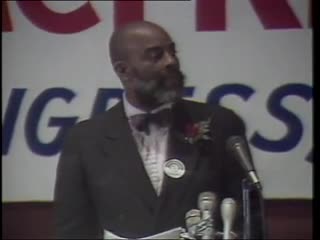
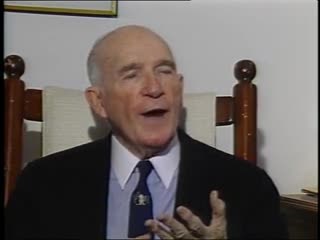
1:00:26: Visual: Footage of Tip O'Neill (Speaker of the US House of Representatives) speaking to veterans at a VFW post in North Cambridge. The veterans applaud O'Neill. Meg Vaillancourt reports that Mel King (community activist) and Jim Roosevelt (candidate for US Congress) are among those running to succeed O'Neill in the 8th Congressional District. Vaillancourt notes that King and O'Neill are not alike; that neither have anything in common with O'Neill. V: Footage of Roosevelt talking about his candidacy at a campaign rally. Footage of King at a campaign rally, saying that he is "a candidate for the people." Vaillancourt says that neither King nor Roosevelt fit into O'Neill's tradition of "clubhouse" politics; that King is courting minority voters and the left; that Roosevelt is campaigning for the votes of affluent professionals. V: Shots of a King campaign sign; of two older white women applauding Roosevelt at a campaign rally. Shots of Roosevelt, King, Joseph Kennedy (candidate for US Congress) and George Bachrach (State Senator) campaigning. Vaillancourt reports that King, Kennedy, Bachrach and Roosevelt are the frontrunners in the race. V: Shot of a black and white photograph of King sitting at a desk. Footage of King talking about his modest family background. He says that his parents were hard workers; that his mother taught him to make clothes; that he sometimes makes the bow ties that he wears today. Shot of a black and white photo of Roosevelt as a boy. Footage of Roosevelt talking about the legacy of his grandfather, Franklin D. Roosevelt (former US President). Vaillancourt reports that Roosevelt has never run for political office; that King is a "perennial candidate." Vaillancourt says that Roosevelt comes from a patrician family with a long political tradition; that King is the son of West Indian immigrants. V: Footage of King campaigning on the street; of Roosevelt campaigning on the street. Shots of black and white photographs of Roosevelt and King as young men; of Roosevelt in a school photo; of King in his high school yearbook. Vaillancourt reports that Roosevelt lives in Cambridge and graduated from Harvard Law School; that King lives in the South End and graduated from all-black Claflin College in South Carolina. V: Shots of Roosevelt's house in Cambridge; of King's home in the South End. Shots of black and white photographs of Roosevelt as a student at Harvard; of King in a group photo at Claflin College. Footage of King greeting a voter at a campaign rally; of Roosevelt shaking hands with voters on the street. Footage of King talking about how his father taught him to share with those who are less fortunate. Shots of black and white photographs of King as a member of a youth basketball team; of King coaching basketball. Vaillancourt reports that King's father was a longshoreman; that his mother was active in the church; that King has held jobs working with youth gangs and as a director of a Settlement House in the South End. V: Footage of King saying talking about working with people. Vaillancourt reports that Roosevelt lived in a monastery for a year after graduating from high school. V: Shot of a black and white photo of Roosevelt as a member of the Order. Footage of Roosevelt saying that he felt a spiritual calling to serve people; that he serves people in a different way now. Roosevelt says that he had difficulty following the vow of obedience. Shot of a black and white photograph of Roosevelt serving in the Navy. Shots of color photographs of Roosevelt in his naval uniform; of Roosevelt campaigning for the passage of the Equal Rights Amendment (ERA). Vaillancourt talks about Roosevelt's career in public service. Vaillancourt reports that Roosevelt has served on the boards of the Mt. Auburn Hospital and the Cambridge Public Library; that Roosevelt has campaigned for numerous Democratic candidates; that Roosevelt's name garners him a lot of attention. V: Shot of a black and white photo of Roosevelt and O'Neill. Footage of Anne Roosevelt Johnson (Roosevelt's sister) talking about how Roosevelt read the Congressional Record as a boy. Footage of Roosevelt campaigning among the elderly. Footage of King greeting three women at a campaign rally. Vaillancourt talks about King's political experience. Vaillancourt reports that King was a state representative for ten years; that King is a two-time mayoral candidate. V: Footage of Vaillancourt interviewing King. King talks about his record of strong political leadership. King says that he has a stronger record than any of the other candidates. Vaillancourt reports that Roosevelt is using his famous name to take on Joseph Kennedy. V: Footage of Roosevelt signing autographs for children. Shot of a radio engineer. Audio of a Roosevelt campaign radio advertisement. Vaillancourt reports that Roosevelt has been criticized for "Kennedy-bashing." V: Footage of Roosevelt saying that he has been trying to engage Kennedy in a debate on the issues. Vaillancourt reports that Roosevelt has spent $65,000 on radio ads; that King has spent no money on advertising. V: Footage of King campaigning in Roxbury. Shots of a black and white photo of King meeting with white leaders in the 1960s; of King being arrested by police at Tent City in the 1970s. Vaillancourt reports that 90% of voters in the eighth district recognize King's name. Vaillancourt talks about King's involvement in the protest politics of the 1960s and 1970s. V: Footage of Roosevelt saying that King does not represent the viewpoint of most voters in the district. Footage of King saying that his politics are inclusive. Vaillancourt stands on a streetcorner. Vaillancourt reports that King's Rainbow Coalition is well known; that the Rainbow Coalition has not produced any winning candidates; that Roosevelt has support from Cambridge civic activists; that the district includes other areas besides Cambridge. Vaillancourt reports that Kennedy is leading in the polls.
1:00:26: Visual: Footage of Tip O'Neill (Speaker of the US House of Representatives) speaking to veterans at a VFW post in North Cambridge. The veterans applaud O'Neill. Meg Vaillancourt reports that Mel King (community activist) and Jim Roosevelt (candidate for US Congress) are among those running to succeed O'Neill in the 8th Congressional District. Vaillancourt notes that King and O'Neill are not alike; that neither have anything in common with O'Neill. V: Footage of Roosevelt talking about his candidacy at a campaign rally. Footage of King at a campaign rally, saying that he is "a candidate for the people." Vaillancourt says that neither King nor Roosevelt fit into O'Neill's tradition of "clubhouse" politics; that King is courting minority voters and the left; that Roosevelt is campaigning for the votes of affluent professionals. V: Shots of a King campaign sign; of two older white women applauding Roosevelt at a campaign rally. Shots of Roosevelt, King, Joseph Kennedy (candidate for US Congress) and George Bachrach (State Senator) campaigning. Vaillancourt reports that King, Kennedy, Bachrach and Roosevelt are the frontrunners in the race. V: Shot of a black and white photograph of King sitting at a desk. Footage of King talking about his modest family background. He says that his parents were hard workers; that his mother taught him to make clothes; that he sometimes makes the bow ties that he wears today. Shot of a black and white photo of Roosevelt as a boy. Footage of Roosevelt talking about the legacy of his grandfather, Franklin D. Roosevelt (former US President). Vaillancourt reports that Roosevelt has never run for political office; that King is a "perennial candidate." Vaillancourt says that Roosevelt comes from a patrician family with a long political tradition; that King is the son of West Indian immigrants. V: Footage of King campaigning on the street; of Roosevelt campaigning on the street. Shots of black and white photographs of Roosevelt and King as young men; of Roosevelt in a school photo; of King in his high school yearbook. Vaillancourt reports that Roosevelt lives in Cambridge and graduated from Harvard Law School; that King lives in the South End and graduated from all-black Claflin College in South Carolina. V: Shots of Roosevelt's house in Cambridge; of King's home in the South End. Shots of black and white photographs of Roosevelt as a student at Harvard; of King in a group photo at Claflin College. Footage of King greeting a voter at a campaign rally; of Roosevelt shaking hands with voters on the street. Footage of King talking about how his father taught him to share with those who are less fortunate. Shots of black and white photographs of King as a member of a youth basketball team; of King coaching basketball. Vaillancourt reports that King's father was a longshoreman; that his mother was active in the church; that King has held jobs working with youth gangs and as a director of a Settlement House in the South End. V: Footage of King saying talking about working with people. Vaillancourt reports that Roosevelt lived in a monastery for a year after graduating from high school. V: Shot of a black and white photo of Roosevelt as a member of the Order. Footage of Roosevelt saying that he felt a spiritual calling to serve people; that he serves people in a different way now. Roosevelt says that he had difficulty following the vow of obedience. Shot of a black and white photograph of Roosevelt serving in the Navy. Shots of color photographs of Roosevelt in his naval uniform; of Roosevelt campaigning for the passage of the Equal Rights Amendment (ERA). Vaillancourt talks about Roosevelt's career in public service. Vaillancourt reports that Roosevelt has served on the boards of the Mt. Auburn Hospital and the Cambridge Public Library; that Roosevelt has campaigned for numerous Democratic candidates; that Roosevelt's name garners him a lot of attention. V: Shot of a black and white photo of Roosevelt and O'Neill. Footage of Anne Roosevelt Johnson (Roosevelt's sister) talking about how Roosevelt read the Congressional Record as a boy. Footage of Roosevelt campaigning among the elderly. Footage of King greeting three women at a campaign rally. Vaillancourt talks about King's political experience. Vaillancourt reports that King was a state representative for ten years; that King is a two-time mayoral candidate. V: Footage of Vaillancourt interviewing King. King talks about his record of strong political leadership. King says that he has a stronger record than any of the other candidates. Vaillancourt reports that Roosevelt is using his famous name to take on Joseph Kennedy. V: Footage of Roosevelt signing autographs for children. Shot of a radio engineer. Audio of a Roosevelt campaign radio advertisement. Vaillancourt reports that Roosevelt has been criticized for "Kennedy-bashing." V: Footage of Roosevelt saying that he has been trying to engage Kennedy in a debate on the issues. Vaillancourt reports that Roosevelt has spent $65,000 on radio ads; that King has spent no money on advertising. V: Footage of King campaigning in Roxbury. Shots of a black and white photo of King meeting with white leaders in the 1960s; of King being arrested by police at Tent City in the 1970s. Vaillancourt reports that 90% of voters in the eighth district recognize King's name. Vaillancourt talks about King's involvement in the protest politics of the 1960s and 1970s. V: Footage of Roosevelt saying that King does not represent the viewpoint of most voters in the district. Footage of King saying that his politics are inclusive. Vaillancourt stands on a streetcorner. Vaillancourt reports that King's Rainbow Coalition is well known; that the Rainbow Coalition has not produced any winning candidates; that Roosevelt has support from Cambridge civic activists; that the district includes other areas besides Cambridge. Vaillancourt reports that Kennedy is leading in the polls.
Collection:
Ten O'Clock News
Date Created:
04/01/1986