Description: : P1 Sports - Whalers/ Crusaders 1/26/74 #7129; : Silent game footage of a hockey game between the Boston Whalers and the Cleveland Crusaders. Includes winning shots and serious fight on the ice that required Crusader #7, Gerry Pinder, to be helped from the rink. Lots of crowd shots.
Collection: WCVB Collection
Date Created: 01/26/1974
Description: Leader: Event #9 - F1 White (on Sargent) #10228 10/16/74 ; Interview with Mayor Kevin White about Governor Francis Sargent's call for federal troops to be deployed to Boston in response to violence in the schools around desegregation.
Collection: WCVB Collection
Date Created: 10/16/1974
Description: Kevin White press conference. Interview with James W. Hennigan, former Chairman of the Boston School Committee, who speaks against busing for school integration. Kevin White speaks about the failure of the Racial Imbalance Law and the Boston Public School System. Hennigan sitting at his desk in the chambers of the Boston School Committee, and cutaways from the interview. Mix of silent and sound.
Collection: WCVB Collection
Date Created: 04/10/1973
Description: #S-93; P-1 Jo Jo White; Celtics 4/21/73; Interview with Jo Jo White; soft focus; audio is buzzy;
Collection: WCVB Collection
Date Created: 04/16/1973
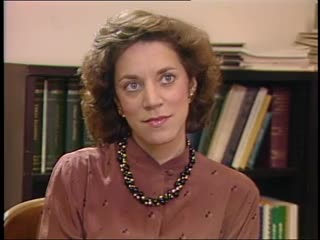
Description: Silent b-roll of house and a neighborhood. Interview with a woman, Mrs. Todd, about how living in an integrated neighborhood is a value to her children, so she is staying. Sound footage of her son, Steve Todd, playing the piano. Silent b-roll of Mrs. Todd and her family. Interview with Jim Todd, who also wants to stay in Dorchester. Interview with 8 year old Steve. He sees advantage in black and white children attending the same school. Silent footage of children walking down the sidewalk. Interview with Louise Day Hicks. She says her office has been receiving several calls from people who say that they will move if their kids will be bussed out of the neighborhood. Silent footage of neighborhood streets, and cutaways to Mike Taibbi. Footage of the neighborhood with reporter voice over about people selling their homes in Hyde Park. Interview with a woman who is against bussing and says she will move or home school. Silent shot of Taunton Ave. sign. Shot of road sign at corner of Fairmont Ave and Summit St. in Hyde Park with reporter standup about homes for sale in this area. Reporter voiceover about Hyde Park parents who wish to move. Interview with a realtor in Hyde Park. Silent shots of "For Sale" signs, and a moving shot down a street, a group of children walking, some children playing, several shots of street signs, shots of houses and schools. Interview with a man who is against bussing, but doesn't want to move. Silent b-roll of reporter at table with man, his wife, and son. Interview with man's son, Richard, who in 10 years old and will have to be bussed in the fall. Silent shots of family around the table. Reporter standup about parents who plan to stay and defy the bussing law. Silent b-roll of family around the table, shots of Richard and his sister. Interview with Richard's mom. More silent b-roll of family, houses, and a school. Mix of sound and silent. Reel 1of 2.
Collection: WCVB Collection
Date Created: 02/25/1974
Description: Interview with Mrs. Todd about the Racial Imbalance law, why she agrees with it, how it will affect her family, and organizations around Boston that are concerned about racial tension in the city. Interview with Jim Todd about how White flight may affect real estate values, how the changes with bussing will affect his family. Interview with Steve Todd, 8-years old, about how he feels about being bussed to another school in the fall. Footage of Steve Todd playing the piano. Reporter standup. Interview with a man in Hyde Park who is against bussing and plans to defy the law. Interview with his wife, Nancy, about talk around the neighborhood about plans to move to avoid bussing and her personal opposition to the law. Silent shots of the family. Mix of sound and silent. Reel 2 of 2
Collection: WCVB Collection
Date Created: 02/25/1974
Description: Several people address a crowd of clergymen, giving them details on a meeting held that day on the "Mobilization on the white problem in metropolitan Boston." They discuss what churches can and should do to help fight against white racism towards African Americans, especially African American business people. Silent footage of the audience. Reporter standup.
Collection: WHDH
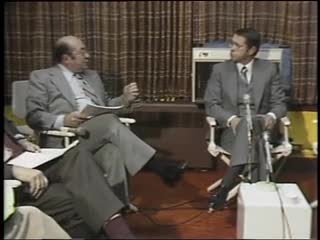
Description: 1975 Boston mayoral race debate between current mayor Kevin White and Senator Joseph Timilty, filmed in WEEI studio. Reporter Mike Ludlum introduces White, Timilty, and City Hall reporter Les Woodruff. Ludlum sets ground rules and itinerary for debate. During debate, discussion of Timilty's accusations against White about "arrogance of power;" cronyism; corruption; CETA hiring abuse; Frog Pond; fundraising pressure; tax allocation. Film artifact obscures image intermittently starting at 00:12:16. Reel 1 of 3.
Collection: Evening Compass, The
Date Created: 10/23/1975
Description: WEEI reporters Mike Ludlum and Les Woodruff are the moderate a portion of 1975 Boston mayoral debate in WEEI studio between incumbent Mayor Kevin White and Senator Joseph Timilty. Timilty accuses the White administration of fiscal irresponsibility. White defends his administration's accomplishments, citing building projects to provide new facilities for the city's neighborhoods. Both candidates comment on "white flight" from the city and the state of the Boston school system; public facilities.Tape ends during White's closing statement.
10:13:52: Recording begins in mid-speech. Visual: Joseph Timilty, Kevin White and 2 moderators sit at a table in the WEEI studios. Moderators are Les Woodruff and Mike Ludlum from WEEI.) Timilty questions the White administration's ability to deliver the economic reform necessary to attract new industry to the city. 10:14:28: V: Woodruff asks Timilty how he would handle economic reform. Timilty responds that he would push for a broadening of the city's tax base; that he would look to reform city programs, citing a need for reform in the Little City Hall Program; that he would make budget cuts; that he would target urban renewal through neighborhood-based community development corporations and push for growth in the city's neighborhoods . 10:17:00: V: Ludlum asks White to address the issues raised by Timilty. White asks Timilty to explain an earlier accusation regarding high percentage rates paid by the city on its bonds. White defends his administration's record on reducing unemployment and attracting industry to the city. He cites his accomplishments in the areas of welfare and the city budget. White again asks Timilty about percentage rates on bonds. 10:19:00: V: Timilty responds that the city's debt has increased 176% during White's tenure as mayor. He mentions high interest payments paid by the city. Timilty contests White's claim of responsibility for the transfer of welfare costs from the city to the state, and claims that real estate taxes have increased 67% under White. Timilty says that credit for stabilizing the tax rate should go to the state legislature, which increased funds for the city. White taps his pen against the table, looking frustrated. 10:20:11: V: Ludlum says that White deserves a chance to respond. White returns to the question of the bond percentage rate. Timilty responds that Boston probably pays 4%. A heated exchange ensues concerning the bond market and the percentage rates paid by the city of Boston. Timilty again claims that Boston pays rates that are too high, and that the city has amassed a dangerous amount of debt. White contends that he has saved taxpayer money by raising the bond rate; White says that he has spent bonded monies on increased services and growth for the neighborhoods. White asks if Timilty supports these neighborhood projects. 10:23:08: V: Timilty says that fiscal responsibility is important. He accuses White of overspending on projects that have made little difference to the neighborhoods. Timilty says that White's spending has decreased the city's rating on the bond market, and that the city is in fiscal jeopardy. 10:24:03: V: Ludlum interrupts Timilty to let White respond. White asks Timilty if he agrees that bonded monies are needed for new construction projects. Timilty responds that bonded monies are needed, but too much debt puts the city in jeopardy. White says the building projects were sorely needed by the neighborhoods, and bonding was necessary to get the money. Timilty counters that the neighborhoods need a reduction in the crime rate more than they need new buildings. 10:26:05: V: Woodruff invites the candidates to address the issues of decreasing white enrollment in schools, decreasing white population in the city, the viablility of the public schools and contract negotiations with teachers. White says that ethnic diversity is important for the city, but he recognizes that some citizens fear the growing minority population, and adds that a low tax-rate might help to keep these people from moving out of the city. Timilty interrupts and asks what the tax-rate has to do with the school system. White defends himself by saying that a low tax-rate and good city amenities prevent "white flight" and keep white children in the school system. White adds that further improvements to the schools will attract more white students. He cites Charlestown as an example of a neighborhood with a stable white population and B.C. High as an example of a good school attracting white students to the city. White concludes by saying that the school system needs to improve. 10:30:03: V: Woodruff sums up White's position and invites Timilty to respond. Timilty says there has been little effort to improve the public schools. He says that families are eager to move out of the city because of bad schools, the high cost of living, and high property taxes. He proposes a plan for magnet schools in the city which is more fully developed than the one in place. 10:32:16: V: Ludlum poses a series of questions and demands brief answers from the candidates. Moderator asks about the issues that strike a chord with the voters. White's answer is the stabilization of the tax rate. Timilty's answer is a responsive city government. Ludlum asks each candidate the difference between him and his opponent. White's answer is experience and performance. Timilty answers that he has a plan for the city. 10:34:25: V: Mayor White gives his closing statement. He cites his performance as mayor, his efforts to stabilize the tax rate, his fight against valuation, his efforts to build facilities for the neighborhoods, and to appoint competent people. He mentions three critical issues: tax reform, healing racial wounds, and improving education.
Collection: Evening Compass, The
Date Created: 10/23/1975
Description: Senator Joseph Timilty's closing statement in 1975 mayoral race debate against current mayor Kevin White, filmed in WEEI studio. Radio broadcast closed by announcer Mike Ludlum. Following close of broadcast is silent footage of participants and others shaking hands conversing in studio. Reel 3 of 3.
Collection: Evening Compass, The
Date Created: 10/23/1975