Description:
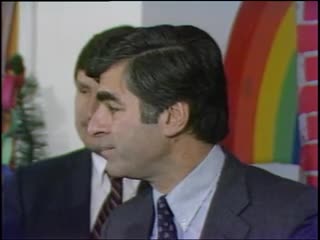
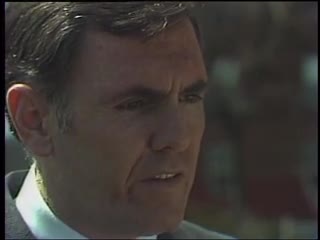
The Commerce and Labor Committee of the Massachusetts State Legislature holds a hearing on proposed legislation barring sexual harassment and discrimination on the grounds of sexual orientation. Royal Bolling Sr. (State Senator) testifies in favor of the legislation. Bolling says that legislators must guarantee protection and equal rights for all citizens. Suzanne Bumps (State Representative) testifies in favor of legislation barring sexual harassment. Bumps defines sexual harassment and talks about the its effect on women in the workplace. John Olver (State Senator) and Thomas Vallely (State Representative) testify in favor of the legislation. Vallely says that legislators must fight one of the last remaining civil rights battles by banning discrimination on the grounds of sexual preference. Vallely talks about a proposed amendment barring religious organizations from some aspects of civil rights law; he says that such an amendment is unnecessary. Peter Morin (State Representative) asks Vallely a question about language used in the legislation. Vallely talks about other exceptions granted under the proposed legislation. John Businger (State Representative) testifies in favor of the legislation. Businger talks about the need to make citizens aware of their civil rights by posting anti-discrimination policy and legislation. George Bachrach (State Senator) testifies in favor of the legislation.
1:00:00: Visual: The Commerce and Labor Committee of the Massachusetts State Legislature sits at the front of a room. The committee prepares to hear testimony on proposed legislation barring sexual harassment and discrimination on the grounds of sexual orientation. The room is crowded with audience members and members of the press. Audience members stand and seat themselves on the floor. The committee chairman invites Royal Bolling Sr. (State Senator) to testify. 1:00:28: V: Bolling thanks the committee members. Bolling notes that the Senate could not vote on this legislation during the previous year; that the vote was held up until the Massachusetts Supreme Judicial Court ruled on the constitutionality of the legislation. Bolling talks about discrimination against gays and lesbians. Bolling says that opponents of legislation barring discrimnation on the grounds of sexual orientation have ignored ugly incidents involving discrimination against gays and lesbians. Bolling makes reference to a television show which depicted the absurdity of society's prejudices against gays and lesbians. Bolling notes that gay and lesbians make up 10% of the population. Bolling says that many citizens will be positively affected by the passage of legislation barring discrimination on the grounds of sexual orientation. Bolling says that gays and lesbians will be denied equal protection under the law unless this legislation is passed; that there cannot be exceptions to the government's guarantee of equal access to all citizens. Bolling says that the legislators must guarantee protection for all citizens, even if legislators disagree with those citizens' way of life. Bolling says that Massachusetts must be a safe haven from discrimination. Bolling says that this legislation reaffirms the dignity and integrity of our democracy; that legislators must be willing to take risks to assure civil rights for all citizens. Bolling says that legislators must speak out against discrimination in all forms. Bolling reaffirms the right of citizens to live free from fear. Bolling says that he hopes the law will be passed this year. 1:11:11: V: The committee chairman thanks Bolling and calls the next speaker. Suzanne Bump (State Representative from Braintree) speaks on behalf of the Massachusetts Caucus of Women Legislators. She notes that the caucus strongly supports legislation barring sexual harassment. Bumps defines sexual harassment and talks about the ill effects of sexual harassment on students and female employees. Bump adds that surveys show that 75% to 95% of women have been harassed at some point in their working lives. Bumps says that sexual harassment is a form of sexual discrimination; that sexual harassment is degrading and humiliating to women. Bumps notes that women who quit their jobs because of sexual harassment are unable to collect unemployment benefits. Bumps says that grievance procedures for victims of sexual harassment are non-existant; that victims who complain about sexual harassment often receive little support. Bumps says that sexual harassment is often perpetrated by men in positions of power who go unpunished; that the perpetrators are often the bosses or professors of these women. Bumps notes that federal courts have upheld the use of Title VII of the civil rights act in some sexual harassment cases; that Title VII bars discrimination in the work place; that there are limits to the application of Title VII in sexual harassment cases. Bumps talks about the importance of the current legislation barring sexual harassment. Bumps notes that the legislation defines sexual harassment, puts cases of sexual harassment under the jurisdiction of the Massachusetts Commission Against Discrimination and establishes a uniform grievance procedure for cases of sexual harassment within state government. Bumps notes that the legislation allows for the prompt resolution of complaints. She urges legislators to support the bill. 1:15:05: V: The committee chairman thanks Bumps and calls the next speaker. John Olver (State Senator) says that he is testifying as a Democratic state senator and on behalf of the Massachusetts State Democratic Party. Olver urges the Massachusetts state legislature to ban discrimination on the grounds of sexual orientation. Olver says that discrimination against gays and lesbians must be ended in housing, employment, public accomodation, and in the consumer marketplace. Olver thanks the Congressional committee. 1:17:06: V: Tom Vallely (State Representative) speaks to the committee about his support for legislation barring discrimination on the grounds of sexual orientation. Vallely notes that he has been one of the principal sponsors of this legislation in the Massasachusetts House of Representatives. Vallely reviews the history of the legislation. Vallely notes that the legislation allows for the protection of gays and lesbians under the state civil rights law. Vallely says that legislators are not condoning homosexuality by offering protection for gays and lesbians under the civil rights law; that legislators need to allow citizens a form of redress against widespread discrimination. Vallely notes that this legislation has been debated by the legislature for more than a decade. Vallely says that the debate about the "gay lifestyle" is inappropriate; that the lifestyles of gays and lesbians is the same as the lifestyle of straight people. Vallely says that gays and lesbians are looking for equal protection, not "special treatment." Vallely refers to the controversy about Mark Twain's book, Huckleberry Finn. Vallely says that the book is a moving exploration of discrimination in American society; that the book is not racist. Vallely says that discrimination on the grounds of race or sexual preference is not acceptable in our society; that discrimination on the grounds of sexual orientation is one of the "last civil rights battles" to be fought. Vallely says that opponents to the legislation will try to add an amendment exempting religious organizations from some aspects of the civil rights law. Vallely says that this amendment is unnecessary because the separation of church and state already exists. Vallely says that religious groups do not need to be exempted from legislation about the ERA (Equal Rights Amendement) or from legislation barring discrimination on the grounds of sexual orientation. Vallely offers to speak to the members of the committee individually about why special legislation exempting religious groups from the civil rights law would be a "grave error." Vallely says that the legislation is important and worth the fight to get it passed. 1:25:44: V: Peter Morin (State Representative) asks a question about the language used in the legislation. Morin points out that there is an exemption to the discrimination law in the case of "bona fide occupational qualifications." Vallely says that the exemption grants authority to the Massachusetts Commission Against Discrimination (MCAD) to consider the qualifications necessary for a certain occupation before deciding a discrimination case. Vallely says that it is important to give the MCAD some leeway in its decisions; that he cannot name a list of these "occupational qualifications." Vallely thanks the Congressional committee. 1:28:11: V: John Businger (State Representative from Brookline) notes that he has co-sponsored legislation in the Massachusetts House of Representatives barring sexual harassment and discrimination on the grounds of sexual orientation. Businger says that government has a role in protecting its citizens from discrimination and harassment. Businger says that sexual harassment and discrimination against gays and lesbians are "unreasonable" and "arbitrary" forms of harassment. Businger talks about the need to make citizens aware of this legislation; that he has sponsored a bill to increase the posting requirements for anti-discrimination legislation; that the people affected by the legislation must be well informed in order to take advantage of it. Businger says that anti-discrimination policy and legislation must be posted on applications for credit, for employment, for services and for membership in organizations. Businger urges the legislators to pass this bill so that people can be made aware of their civil rights. Businger urges the legislators to pass the bills barring sexual harassment and discrimination of the basis of sexual orientation. 1:31:29: V: George Bachrach (State Senator) makes a lighthearted joke. The members of the panel laugh. Bachrach says that he is testifying in support of the Senate bill which bars discrimination against gays and lesbians in housing, employment, and credit. Bachrach says that he is sorry that this legislation has not already been passed into law.
1:00:00: Visual: The Commerce and Labor Committee of the Massachusetts State Legislature sits at the front of a room. The committee prepares to hear testimony on proposed legislation barring sexual harassment and discrimination on the grounds of sexual orientation. The room is crowded with audience members and members of the press. Audience members stand and seat themselves on the floor. The committee chairman invites Royal Bolling Sr. (State Senator) to testify. 1:00:28: V: Bolling thanks the committee members. Bolling notes that the Senate could not vote on this legislation during the previous year; that the vote was held up until the Massachusetts Supreme Judicial Court ruled on the constitutionality of the legislation. Bolling talks about discrimination against gays and lesbians. Bolling says that opponents of legislation barring discrimnation on the grounds of sexual orientation have ignored ugly incidents involving discrimination against gays and lesbians. Bolling makes reference to a television show which depicted the absurdity of society's prejudices against gays and lesbians. Bolling notes that gay and lesbians make up 10% of the population. Bolling says that many citizens will be positively affected by the passage of legislation barring discrimination on the grounds of sexual orientation. Bolling says that gays and lesbians will be denied equal protection under the law unless this legislation is passed; that there cannot be exceptions to the government's guarantee of equal access to all citizens. Bolling says that the legislators must guarantee protection for all citizens, even if legislators disagree with those citizens' way of life. Bolling says that Massachusetts must be a safe haven from discrimination. Bolling says that this legislation reaffirms the dignity and integrity of our democracy; that legislators must be willing to take risks to assure civil rights for all citizens. Bolling says that legislators must speak out against discrimination in all forms. Bolling reaffirms the right of citizens to live free from fear. Bolling says that he hopes the law will be passed this year. 1:11:11: V: The committee chairman thanks Bolling and calls the next speaker. Suzanne Bump (State Representative from Braintree) speaks on behalf of the Massachusetts Caucus of Women Legislators. She notes that the caucus strongly supports legislation barring sexual harassment. Bumps defines sexual harassment and talks about the ill effects of sexual harassment on students and female employees. Bump adds that surveys show that 75% to 95% of women have been harassed at some point in their working lives. Bumps says that sexual harassment is a form of sexual discrimination; that sexual harassment is degrading and humiliating to women. Bumps notes that women who quit their jobs because of sexual harassment are unable to collect unemployment benefits. Bumps says that grievance procedures for victims of sexual harassment are non-existant; that victims who complain about sexual harassment often receive little support. Bumps says that sexual harassment is often perpetrated by men in positions of power who go unpunished; that the perpetrators are often the bosses or professors of these women. Bumps notes that federal courts have upheld the use of Title VII of the civil rights act in some sexual harassment cases; that Title VII bars discrimination in the work place; that there are limits to the application of Title VII in sexual harassment cases. Bumps talks about the importance of the current legislation barring sexual harassment. Bumps notes that the legislation defines sexual harassment, puts cases of sexual harassment under the jurisdiction of the Massachusetts Commission Against Discrimination and establishes a uniform grievance procedure for cases of sexual harassment within state government. Bumps notes that the legislation allows for the prompt resolution of complaints. She urges legislators to support the bill. 1:15:05: V: The committee chairman thanks Bumps and calls the next speaker. John Olver (State Senator) says that he is testifying as a Democratic state senator and on behalf of the Massachusetts State Democratic Party. Olver urges the Massachusetts state legislature to ban discrimination on the grounds of sexual orientation. Olver says that discrimination against gays and lesbians must be ended in housing, employment, public accomodation, and in the consumer marketplace. Olver thanks the Congressional committee. 1:17:06: V: Tom Vallely (State Representative) speaks to the committee about his support for legislation barring discrimination on the grounds of sexual orientation. Vallely notes that he has been one of the principal sponsors of this legislation in the Massasachusetts House of Representatives. Vallely reviews the history of the legislation. Vallely notes that the legislation allows for the protection of gays and lesbians under the state civil rights law. Vallely says that legislators are not condoning homosexuality by offering protection for gays and lesbians under the civil rights law; that legislators need to allow citizens a form of redress against widespread discrimination. Vallely notes that this legislation has been debated by the legislature for more than a decade. Vallely says that the debate about the "gay lifestyle" is inappropriate; that the lifestyles of gays and lesbians is the same as the lifestyle of straight people. Vallely says that gays and lesbians are looking for equal protection, not "special treatment." Vallely refers to the controversy about Mark Twain's book, Huckleberry Finn. Vallely says that the book is a moving exploration of discrimination in American society; that the book is not racist. Vallely says that discrimination on the grounds of race or sexual preference is not acceptable in our society; that discrimination on the grounds of sexual orientation is one of the "last civil rights battles" to be fought. Vallely says that opponents to the legislation will try to add an amendment exempting religious organizations from some aspects of the civil rights law. Vallely says that this amendment is unnecessary because the separation of church and state already exists. Vallely says that religious groups do not need to be exempted from legislation about the ERA (Equal Rights Amendement) or from legislation barring discrimination on the grounds of sexual orientation. Vallely offers to speak to the members of the committee individually about why special legislation exempting religious groups from the civil rights law would be a "grave error." Vallely says that the legislation is important and worth the fight to get it passed. 1:25:44: V: Peter Morin (State Representative) asks a question about the language used in the legislation. Morin points out that there is an exemption to the discrimination law in the case of "bona fide occupational qualifications." Vallely says that the exemption grants authority to the Massachusetts Commission Against Discrimination (MCAD) to consider the qualifications necessary for a certain occupation before deciding a discrimination case. Vallely says that it is important to give the MCAD some leeway in its decisions; that he cannot name a list of these "occupational qualifications." Vallely thanks the Congressional committee. 1:28:11: V: John Businger (State Representative from Brookline) notes that he has co-sponsored legislation in the Massachusetts House of Representatives barring sexual harassment and discrimination on the grounds of sexual orientation. Businger says that government has a role in protecting its citizens from discrimination and harassment. Businger says that sexual harassment and discrimination against gays and lesbians are "unreasonable" and "arbitrary" forms of harassment. Businger talks about the need to make citizens aware of this legislation; that he has sponsored a bill to increase the posting requirements for anti-discrimination legislation; that the people affected by the legislation must be well informed in order to take advantage of it. Businger says that anti-discrimination policy and legislation must be posted on applications for credit, for employment, for services and for membership in organizations. Businger urges the legislators to pass this bill so that people can be made aware of their civil rights. Businger urges the legislators to pass the bills barring sexual harassment and discrimination of the basis of sexual orientation. 1:31:29: V: George Bachrach (State Senator) makes a lighthearted joke. The members of the panel laugh. Bachrach says that he is testifying in support of the Senate bill which bars discrimination against gays and lesbians in housing, employment, and credit. Bachrach says that he is sorry that this legislation has not already been passed into law.
Collection:
Ten O'Clock News
Date Created:
03/28/1985